
SLEEP, SLEEP, SLEEP
| To view on YouTube click go to: https://youtube.com/shorts/yac4njGajbg?si=jggIdNRXCB8AwRuK Sleep is essential for mental, emotional and physical health, yet it is frequently neglected, especially during periods of stress or increased demands. Chronic sleep deprivation is now recognised as a widespread public health concern in Australia, with significant implications for individual wellbeing and workplace productivity. Key Benefits of SleepEmotional Regulation: Adequate sleep supports emotional stability and reduces reactivity. Stress Recovery: Deep sleep lowers cortisol, restores the body, strengthens immunity and consolidates memory. Cognitive Performance: Sufficient rest enhances concentration, memory, decision-making and problem-solving. Physical Health: Persistent sleep deprivation increases inflammation, weakens immunity and elevates the risk of cardiovascular and metabolic disorders. Australian Sleep Deprivation StatisticsApproximately 40% of Australian adults report getting inadequate sleep, and 60% experience sleep problems one to three times per week.One in three Australians (33%) get less than the recommended seven hours of sleep per nightNearly half (48%) of adults have at least two sleep-related problems and 22% have a doctor-diagnosed sleep disorder.Chronic insomnia affects about 15% of Australians, while obstructive sleep apnoea impacts around 20%.Poor sleep is linked to increased risk of chronic conditions, including heart disease, diabetes, obesity, stroke and mental healthInadequate sleep contributed to more than 3,000 deaths in Australia in 2016–17, including fatalities from motor vehicle and workplace accidentsThe economic cost of inadequate sleep in Australia was estimated at $66.3 billion in 2016–17, including $26.2 billion in financial costs and $40.1 billion in loss of wellbeing. Workplace Impact46% of Australians report at least one day per week where productivity at work or school is affected by lack of sleepFatigue-related workplace incidents are common, with workers suffering from sleep deprivation being 50% more likely to experience a safety-related incident.Poor sleep and fatigue contribute to higher absenteeism, presenteeism and workplace injuries, costing the economy billions annually. Common Work-Related Sleep Barriers Many workers report difficulty unwinding after long shifts, emotional fatigue from workplace stress, hypervigilance after conflict with colleagues or managers or rumination about work tasks at night. Others struggle because of shift changes, screen use, caring responsibilities, burnout, or unresolved worries. Naming these barriers helps reduce shame—sleep disruption is a normal response to stress, not a personal failure. Strategies to Improve Sleep 1. Establish a Consistent Routine Going to bed and waking up at the same time strengthens the body’s sleep–wake rhythm. Even a 30-minute variation can affect sleep quality. Clients should aim to wind down 60–90 minutes before bed. 2. Create a Wind-Down Ritual Activities such as warm showers, gentle stretching, calming music, or reading send signals to the nervous system that it is safe to relax. Avoiding stimulating tasks—emails, difficult conversations, or work planning—helps reduce cognitive arousal. 3. Limit Screen Time Before Bed Blue light delays melatonin production. Encourage clients to stop phone and laptop use at least 30–60 minutes before sleep or use night-mode filters if this is not possible. 4. Manage Worry with Cognitive Strategies Writing down worries, making a “next-day plan,” or using cognitive defusion (ACT), thought-challenging (CBT) or grounding exercises (DBT) can reduce mental overactivity that keeps people awake. 5. Optimise the Sleep Environment A cool, dark, quiet room; comfortable bedding; and reduced noise/light stimulation make a significant difference. 6. Reduce Stimulants Late in the Day Caffeine, nicotine and energy drinks can disrupt deep sleep even if consumed hours earlier. 7. Use Relaxation Techniques Deep breathing, progressive muscle relaxation, guided imagery and mindfulness apps help down-regulate the nervous system. |
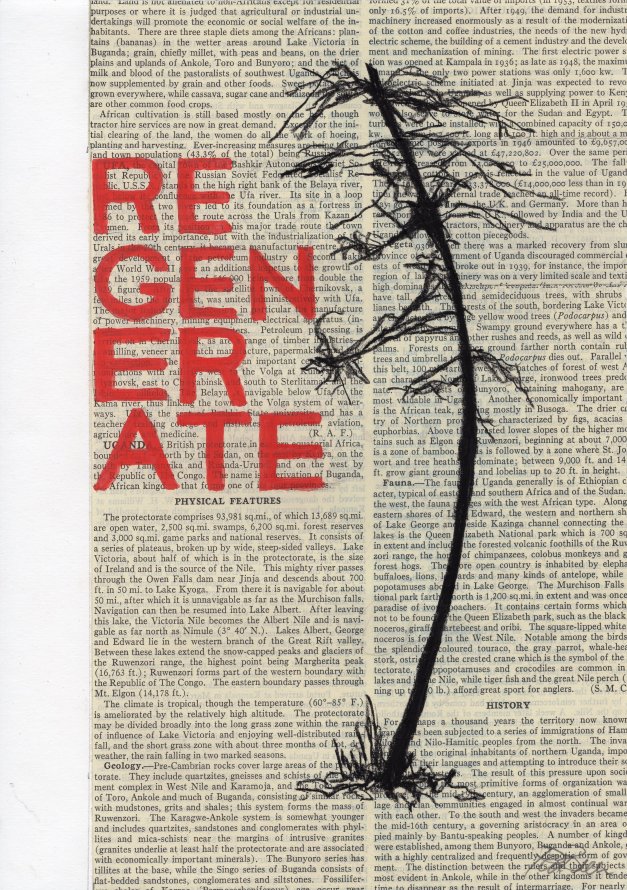
Guache, ink, pencil on found paper : Part of 25 drawings series “I want to tell you” Body and Soul Berlin Art Magazine 2025. Artist Peter Breen. Available as Digital Print on 308 gsm Hahnamule Photo Rag Paper
 Peteskibreen's Blog