In 1770, Captain James Cook and his crew stole spears from First Nations people in Sydney. More than 250 years later, they’re being returned.
Four spears carved and used by the Gweagal people in Kamay (Botany Bay) were stolen by Captain James Cook and other English colonisers who came to Australia in 1770.
The spears ended up at Cambridge University in the UK a year later.
More than 250 years later, Cambridge has returned the spears to the La Perouse Aboriginal Community in a formal ceremony.
They are the earliest artefacts taken by the British from any part of Australia that still exists.
Comments
Ray Ingrey, director of the Gujaga Foundation at La Perouse: “The spears were pretty much the first point of European contact, particularly British contact with Aboriginal Australia. I think for us it’s a momentous occasion that… the spears that were undoubtedly taken without permission are returned to the rightful people.”
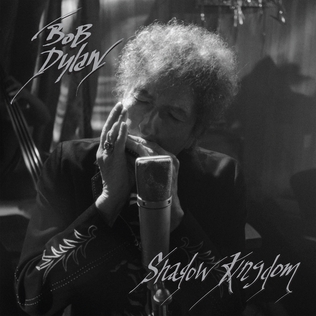
I am immersed in Bob Dylan’s Shadow Kingdom . It is a cooling autumn day with rain promising to advance mould and humidity again here in Brisbane but for now the dry has come and Bob is singing “Queen Jane”. It is a moment of suspended troubles and demands as he croons byond belief and analysis.
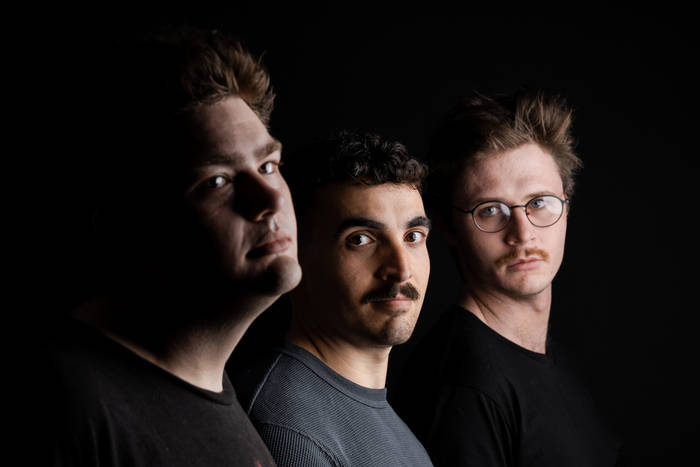
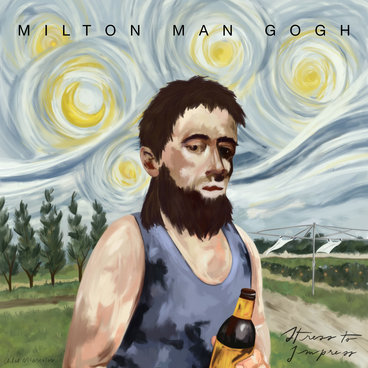
A few weeks ago I drove across town to The Bearded Lady a kind of parallel space akin to Bob’s time in Greenwhich Village. I was there to listen to Milton Man Goh – a jazz fusion trio of remarkable young Queensland Conservatorium graduate musicians I knew from the early days of Paint it Red at Jugglers Art Space and The Stairwell Project. Zak Sacrewski [ Bass] Andrew Saragossi [ Sax] and Ben Shannon [ Percussion] all jumped on board my Stairwell Project idea in late 2015. They formed part of Jazz Kill with Brodie McAllister performing at the Royal Brisbane Hospital entrance and then along with other musicians The Stairwell Project grew to what it is today.
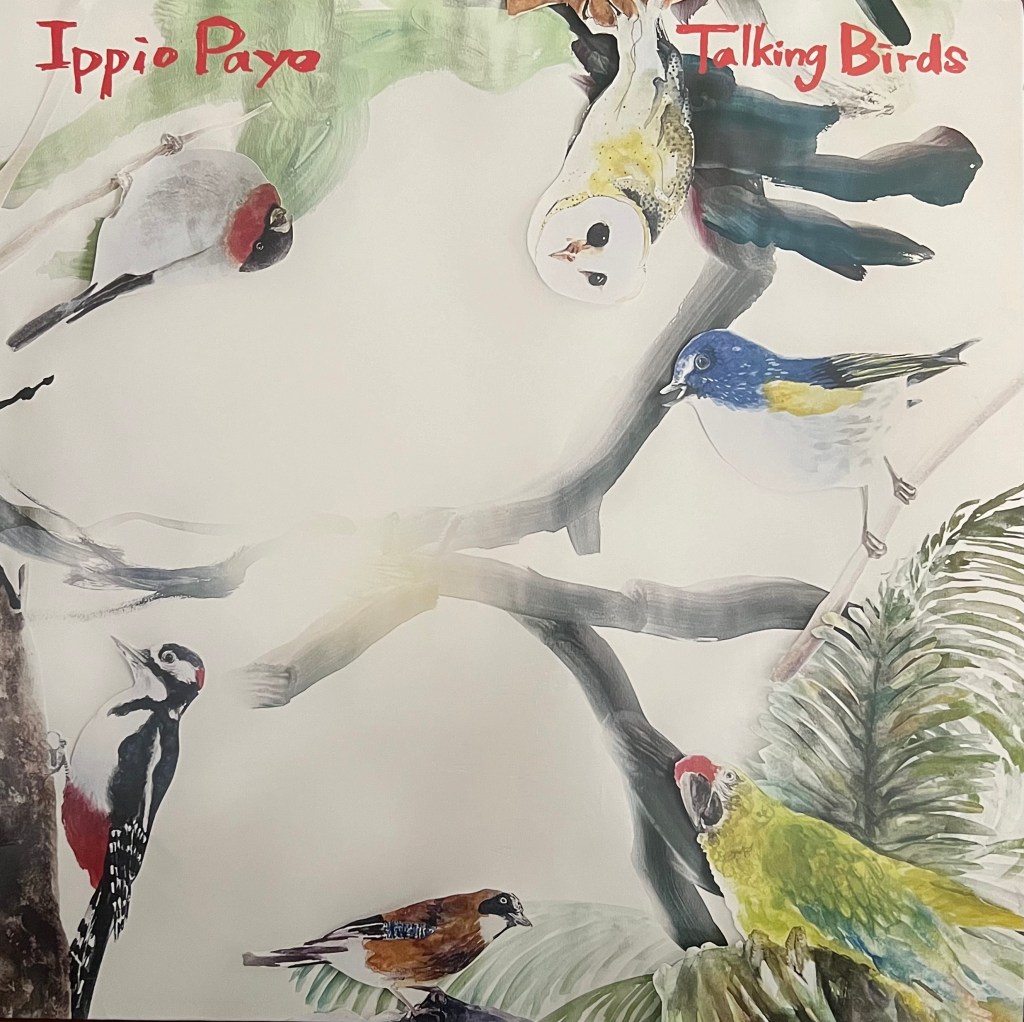
A support act at The Bearded Lady that night hardly grabbed my attention at first but then it seemed as if American minimalist Steve Reich was in the room. One on base and loop and another on trumpet on tour from Germany were given the opening set space. As the night unfolded I decided to buy one of their two LP records they held in a canvas bag as they waited for a buyer on Boundary Street, West End. “PayPal only” he said as I fiddled around with the email address he gave me on my phone and then it was mine. It is a beautiful piece of work. No CD’s no digital downloads. Today’s prelude to Shadow Kingom was this “Taking Birds”. It is as I have found with some German paintings – discinctly different, engaging and inviting. A style owned by another way of seeing, of composition and musicality. And there is a Reich parallel.
“Ippio Payo’s music matures until it emerges its way into the light of day all by itself. LIke a chick as soon as the time is right, after days and weeks of maturing in the egg, pecks its way through the fragile shell into the light under its own steam and timidly unfolds for the first time what will one day help it to soar. Some ideas then become swallows, which make the summer for people who listen carefully, and others become condors, whose mighty wings sound like the mountain ranges of the Andes, Ippio Payo’s music feels its way forward like fledglings taking flight : sometimes it flicks hooks like a hummingbird, sometimes it sails majestically like an albatross. The songs cross every border – migratory birds that fly over the Himalayas and navigate biotopes over thousdands of kilometres with pinpoint accuracy – and find their listeners in Croatia, Spain, France, Australia. “ [ From the liner notes]
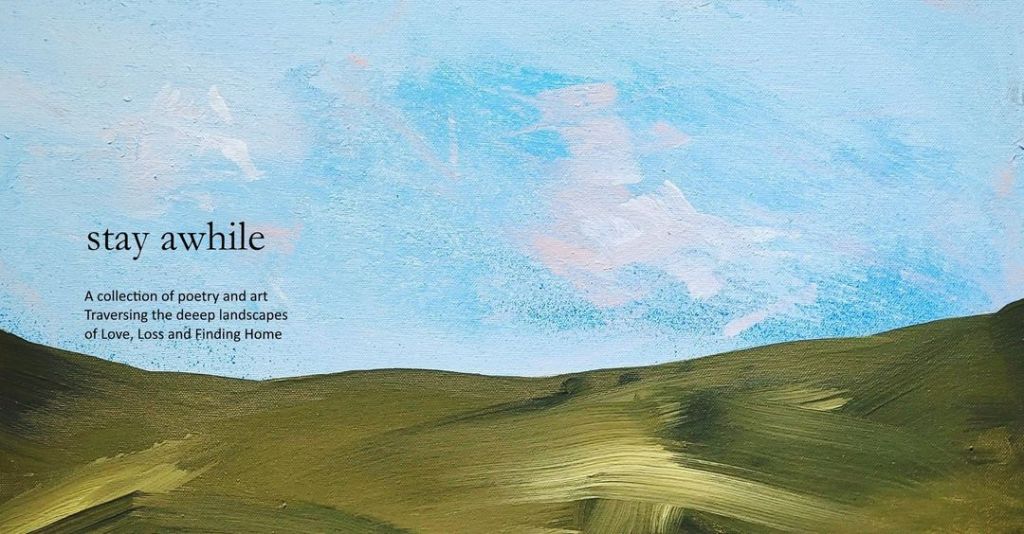
Opening talk given by Peter Breen at Sarge Jhorgenson’s Exhibition “Stay Awhile” at Vacant Assembly [ Brisbane] on Friday April 12, 2024
Welcome everyone to this exhibition, installation and exposure to the paintings, poetry and prose of Sarge Jhorgenson in this wonderful space, Vacant Assembly.
I would like to acknowledge the country we are on tonight – that of the Juggera and Turbal people and to pay my respects to them and to their elders, past, present and emerging.
I love clouds.
I love their shape, sensuality, texture, tonality and that they are always appearing, reappearing and disappearing.
Their poetic presence in the spaces between.
Have you ever had one of those light bulb moments, or an epiphany where all of a sudden you are newly aware of some fact or metaphor or joy? I did recently and it was if the clouds in their never ending stories of change and presentations of beauty were inviting me to make art, make marks just as clouds do. Endlessly. Not to market – make sure you buy some of this work here tonight though! – but to be. Because art, as clouds, needs no justification. We are as humans here to make marks. We are mark making animals of deeply spiritual and story telling capacities and giftedness.
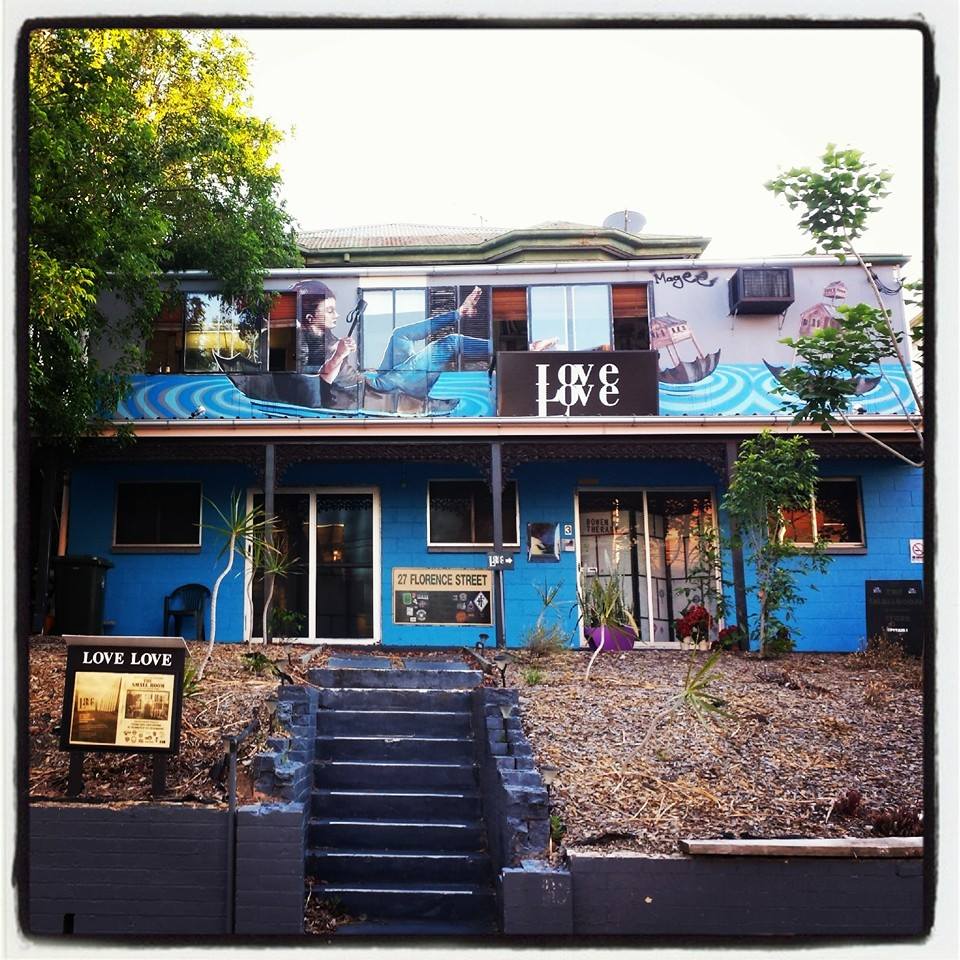
Sarge jumped on a storm-cloud chariot years ago with S&M then Love Love Studios – a significant ARI in Brisbane. Here tonight we are immersed in some of his works, his personal works as an artist, poet and writer.
It’s worth reading a poem and buying the book from his aptly titled “Morning Drive Poems” written on the dashboard at the red traffic lights on the way to teach [ My copy is with my neice so I will edit this and insert a few when the book is returned.]
There was a sharing of presence and passion in the last 20 years when Jugglers came to Brunswick Street and Sarge would visit with others – but on his own it seemed – then disappear like a cloud. I discovered that one of the Jugglers artists – Bohdi Gardner – knew Sarge very well as his English teacher at Caboolture High School.
English teacher, husband, father, artist, poet, writer, skate board rider – a polymath indeed!
It’s a great pleasure for me to be here tonight with Sarge, at his invitation, to launch his show. And I ask you, with him to STAY AWHILE for one of the urgencies in a world that is wiping out its brain-cells on screen-time addiction if for us to resolve to STAY AWHILE in galleries and studios, in forests and mark making and to become patient, attentive observers.
In closing I would like to read a poem by Mary Oliver “When I am among trees”
When I am among trees
When I am among the trees
Especially the willows and the honey locust,
equally the beech, the oaks and the pines,
they give off such hints of gladness.
I would almost say that they save me, and daily.
I am so distant from the hope of myself, in which I have goodness and discernment,
and never hurry through the world
but walk slowly, and bow often.
Around me the trees stir in their leaves and call out,
“Stay awhile”
The light flows from their branches
And they call again,
“It’s simple” they say,
“and you too have come into the world to do this, to go easy, to be filled with light,
As a former ordained minister of a non-conformist religious organisation and before and since those interesting days the go to for me and thinking non-non-conformist colleagues and friends inside and outside the fortified city was such things as introverted long prayers and occasional biblical ranting examinations of the heart to avoid hypocrisy or repent of it aka Martin Luther King Jnr. It remains a scar and a call. Once the sound of music had died each Sunday morning where the reversed collar made pronouncements from 3 Feet above contradiction the masses tee-d and coffee-d and chats ensued across a narrow range of repetitive dot pointed issues. The one just celebrated by millions this past weekend turned his blow torch on these ( like me) and told them to shut the … up, sort out their exegesis, live humbly for justice and embrace kindness or their pretty clothes and fancy words 3 feet above contradiction were only worthy of the stinking hell of a dump outside the city wall. Needless to say this wordsmith soon became the scapegoat and was shut up and bundled out to that stinking hell. ( That’s the only hell plus G*za and Auswitt and rampant capitalism that I believe in BTW. ) The callers out of hypocrisy, the Jesus’s if you will today, now, Easter 2024 are who? Journalists in G*za, the revolutionary under 30 protesters all over the world ( including those in the “ Holy Land”) The religious ( hypocritical) elite? Pastors ( white males) who have decided that their god has unequivocally called them to defend annihilation in the light of their personal and precious revelations. The call and only call remains: struggle to be one of the least with the least to bring some kind of unreported love that regularly buries white entitled privilege, has found the dead seed of ego and embraced it, struggles always to stand in active solidarity with all those who resist political and religious empire power while being occasionally renewed in an intuitively known revolution of endless infinite love.
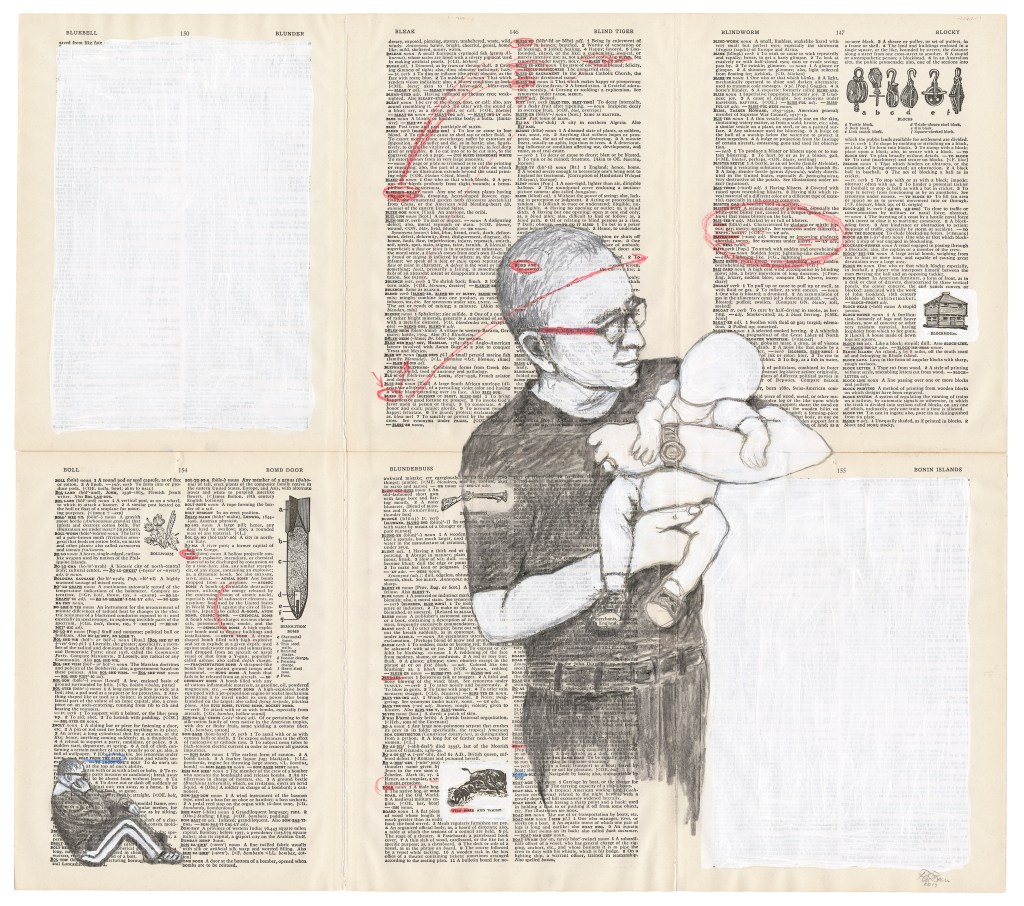
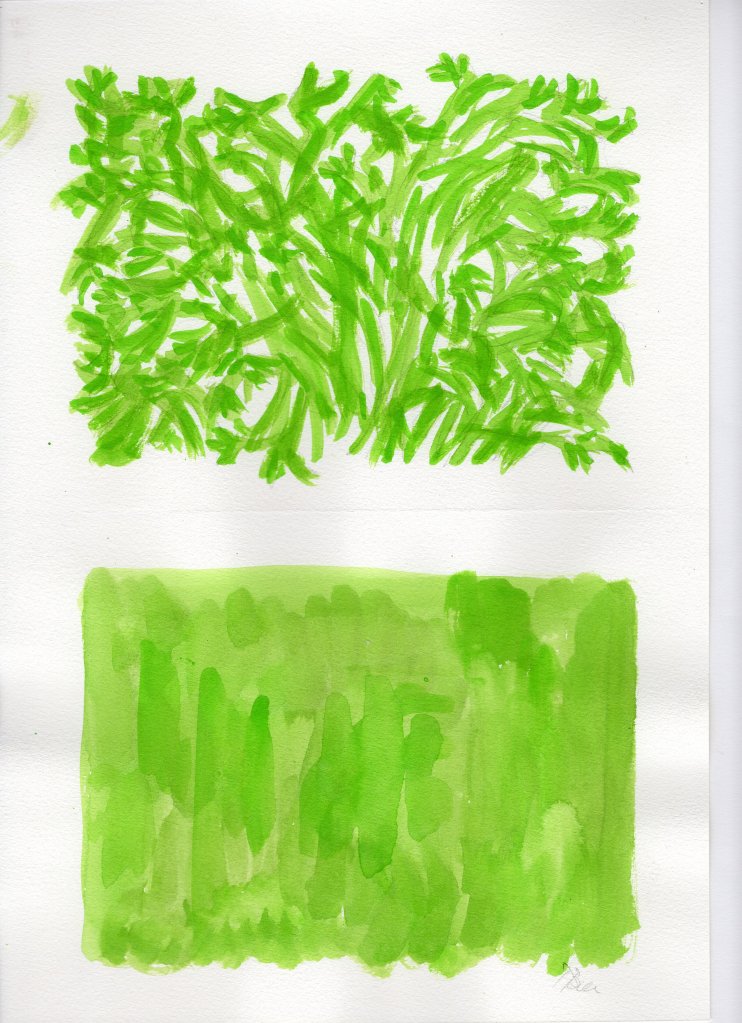
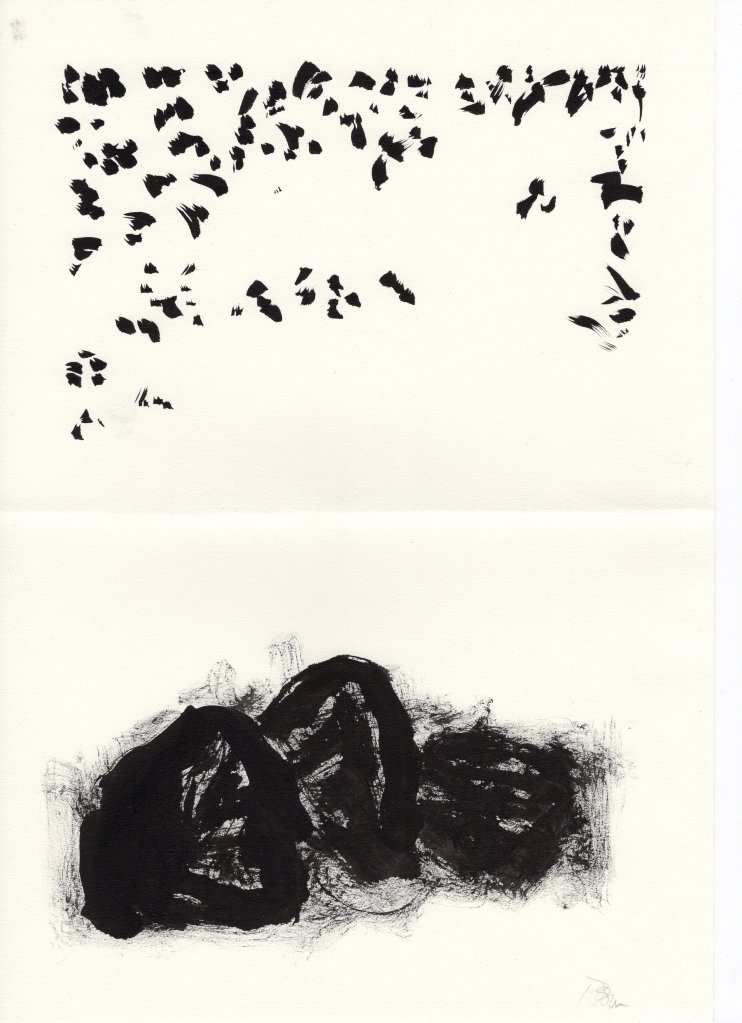
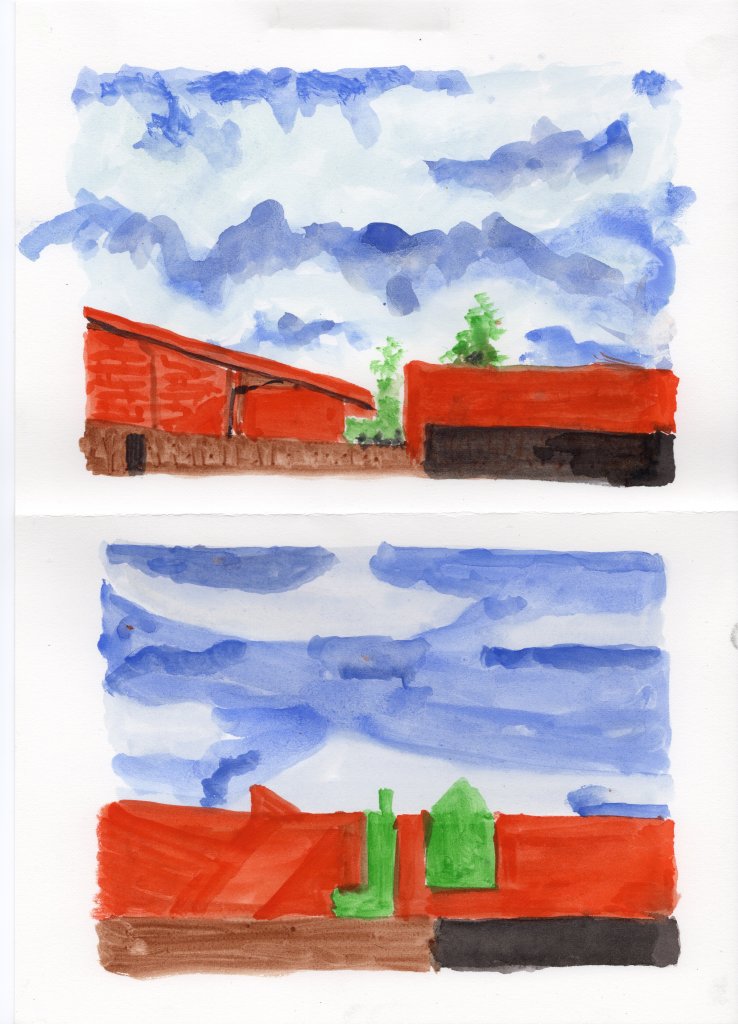
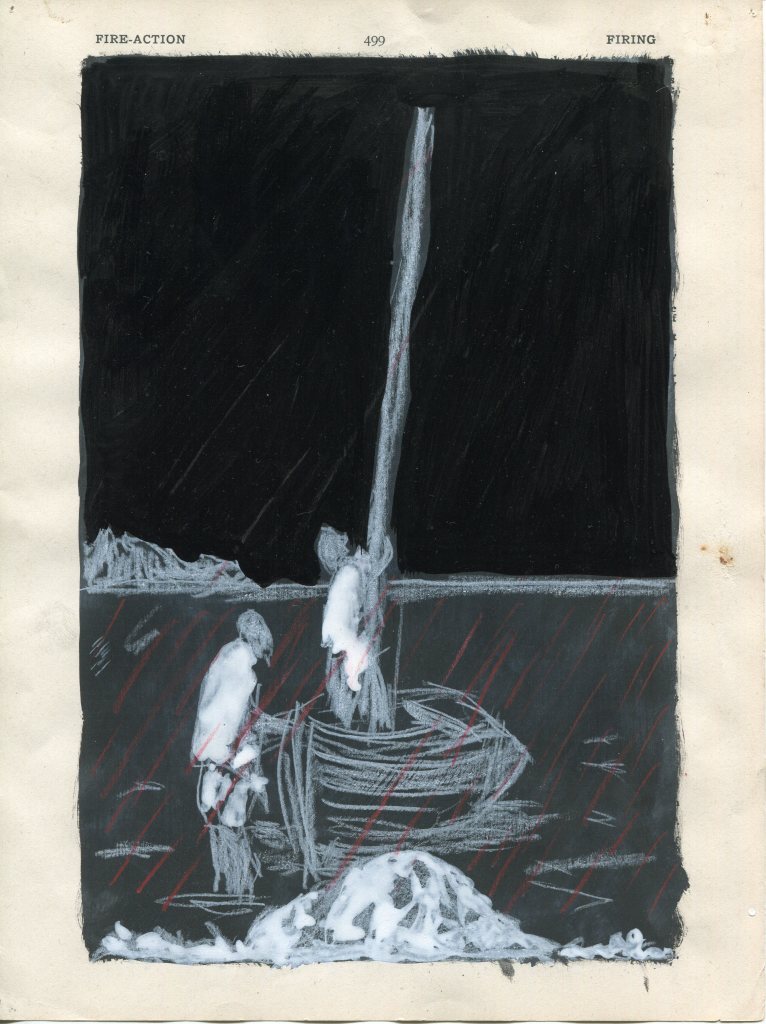
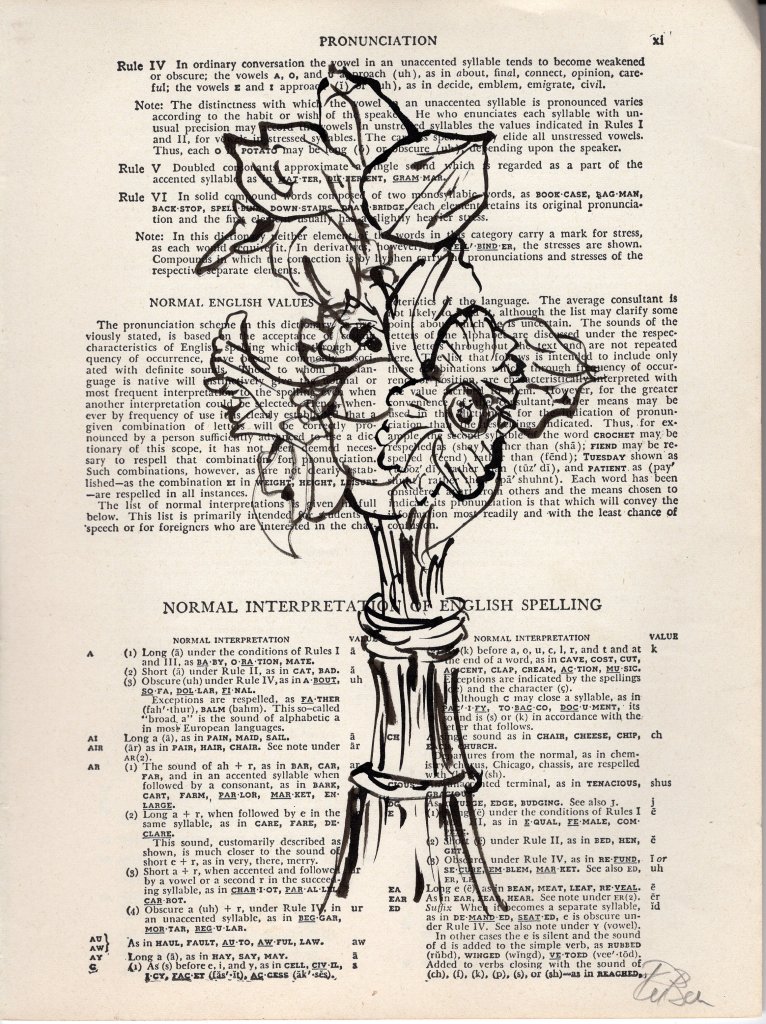
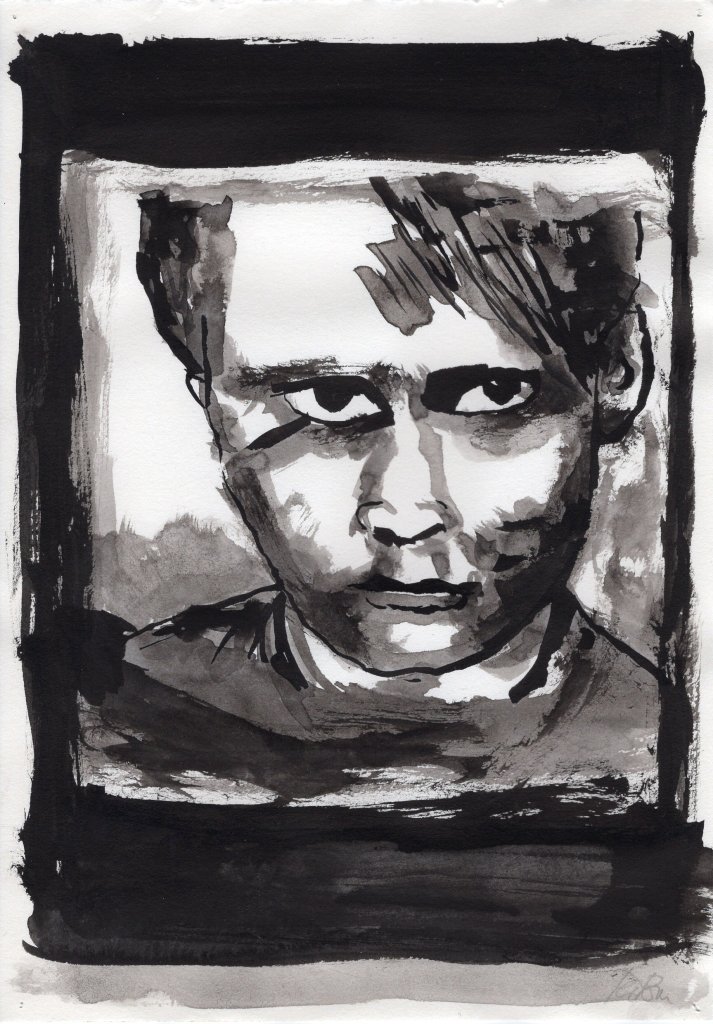
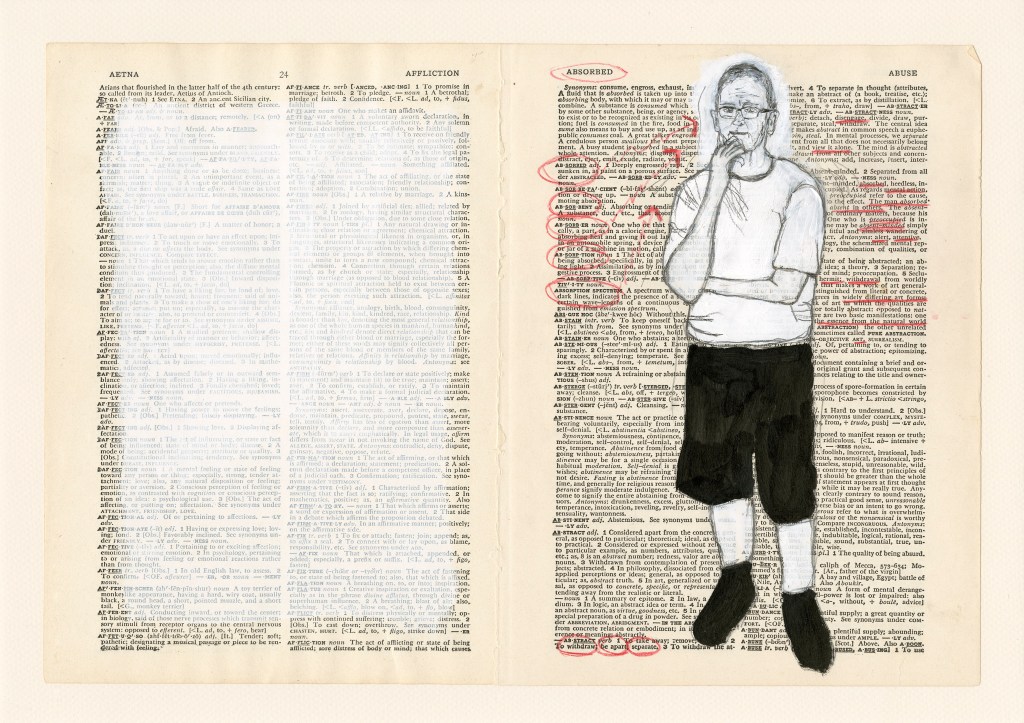
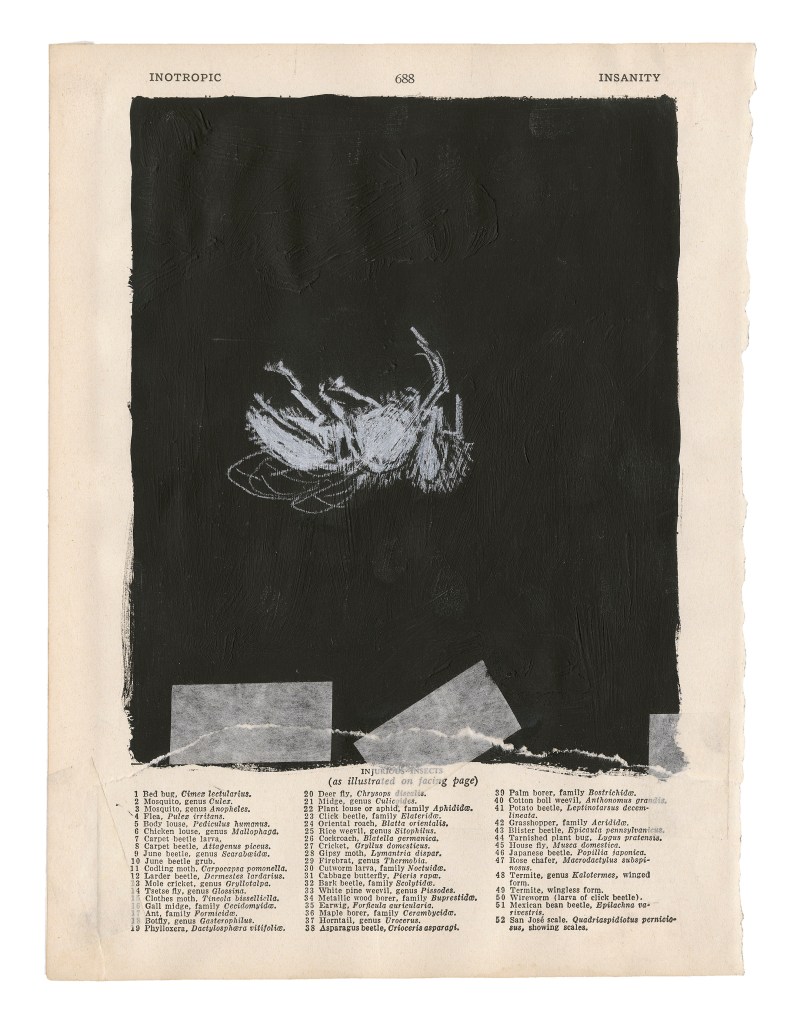
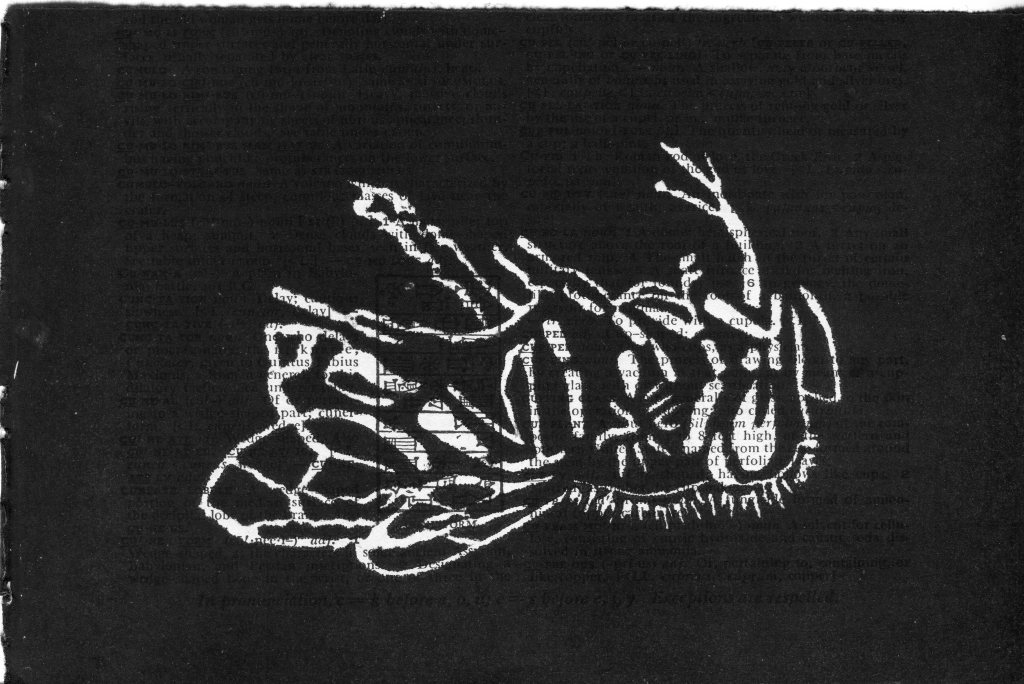
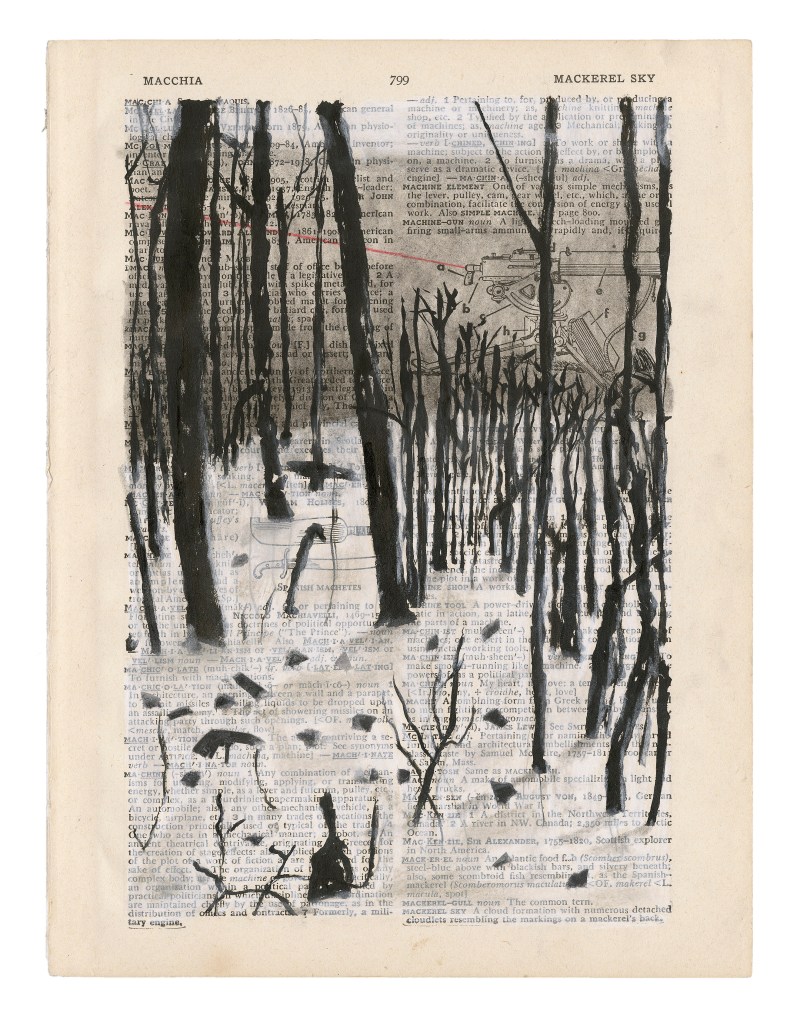
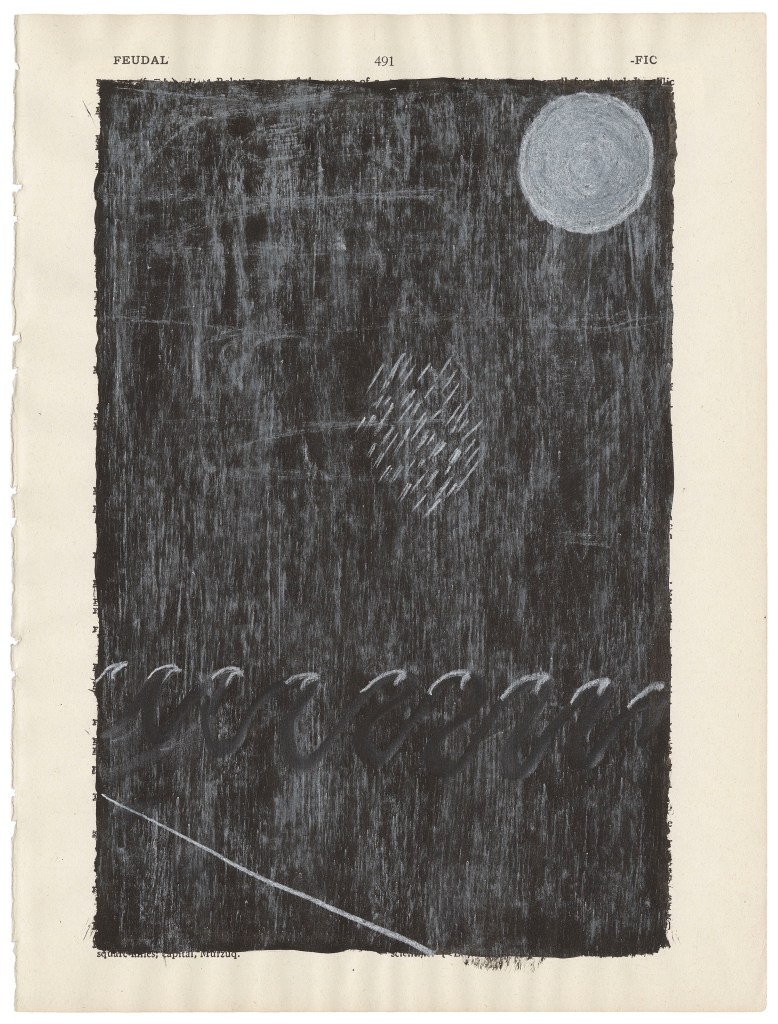
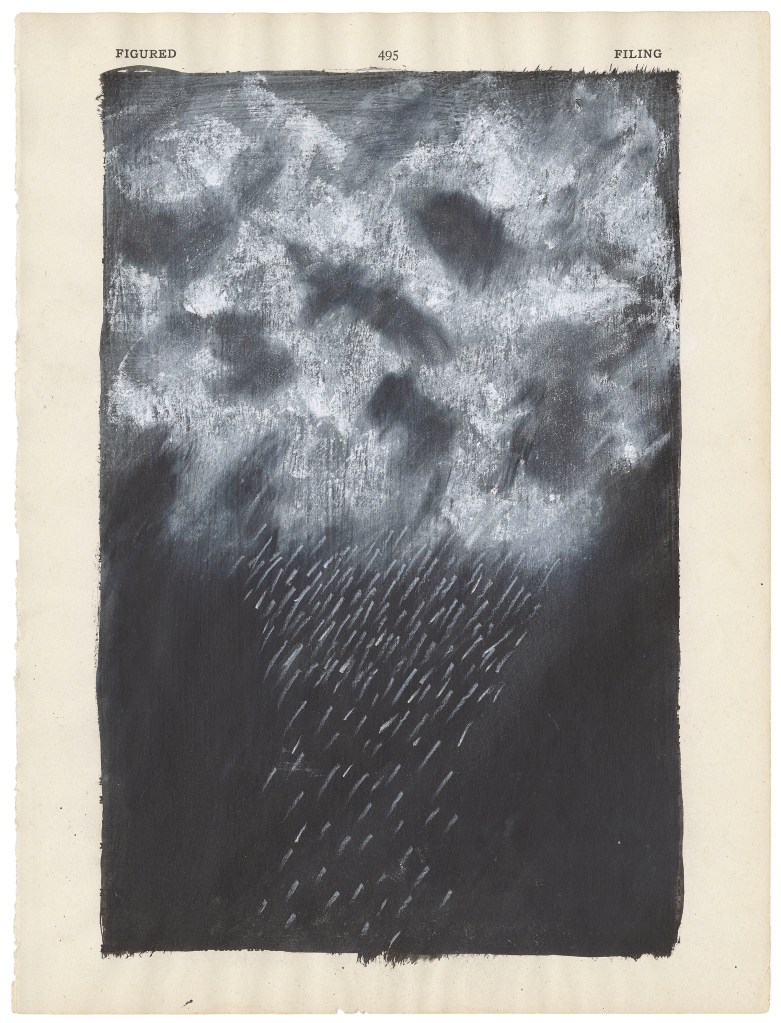
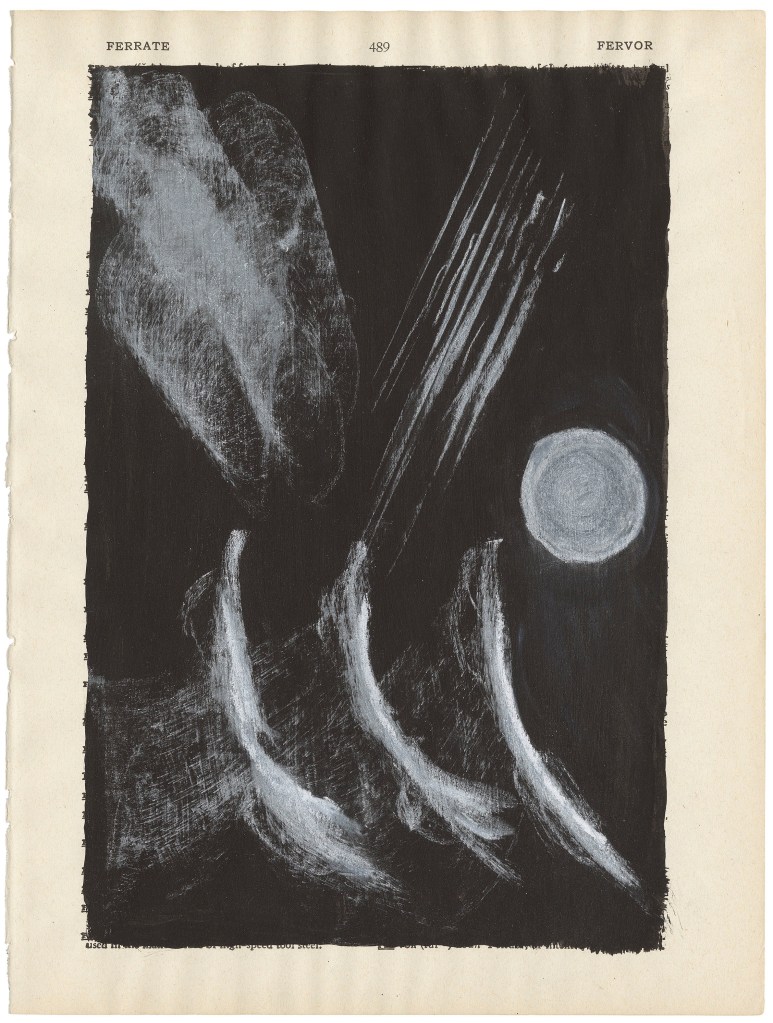
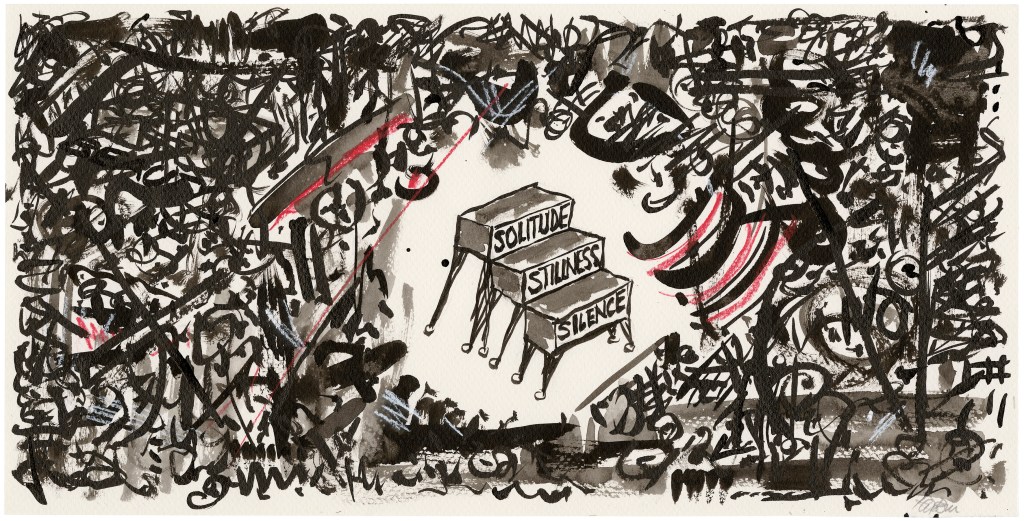
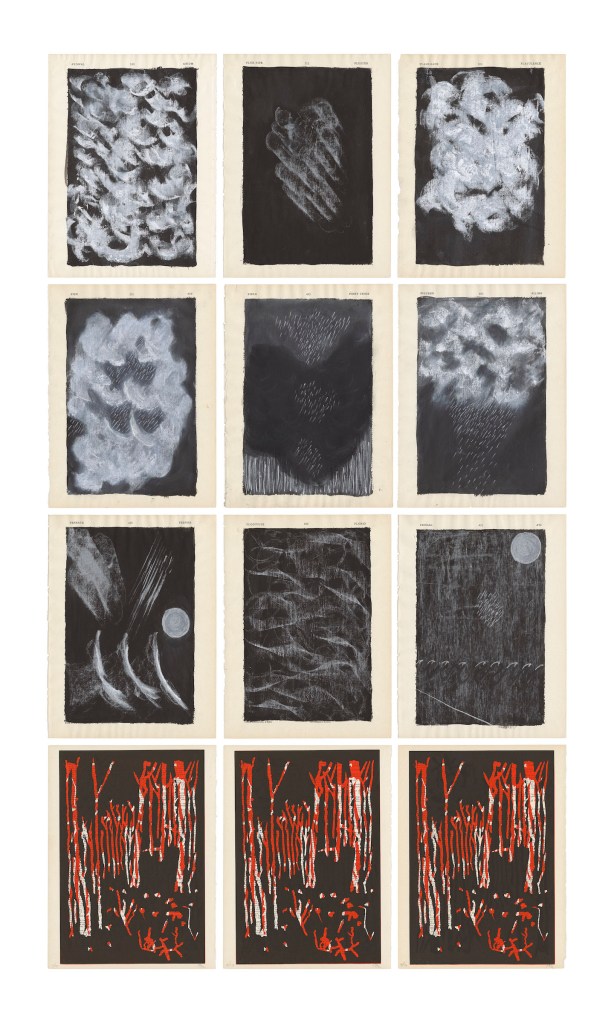
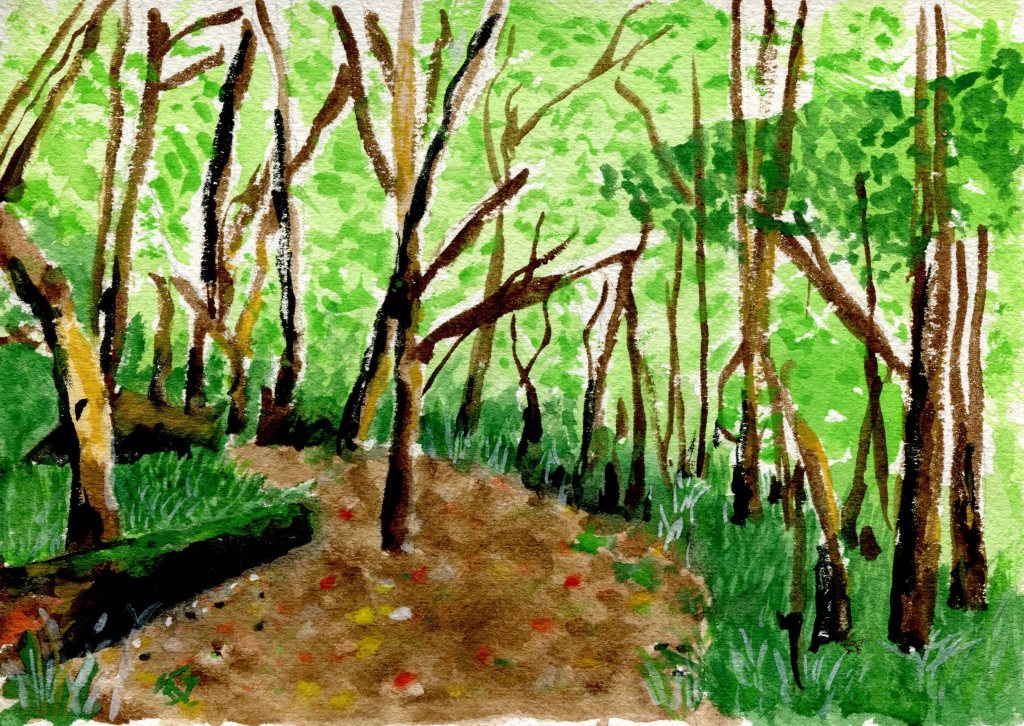
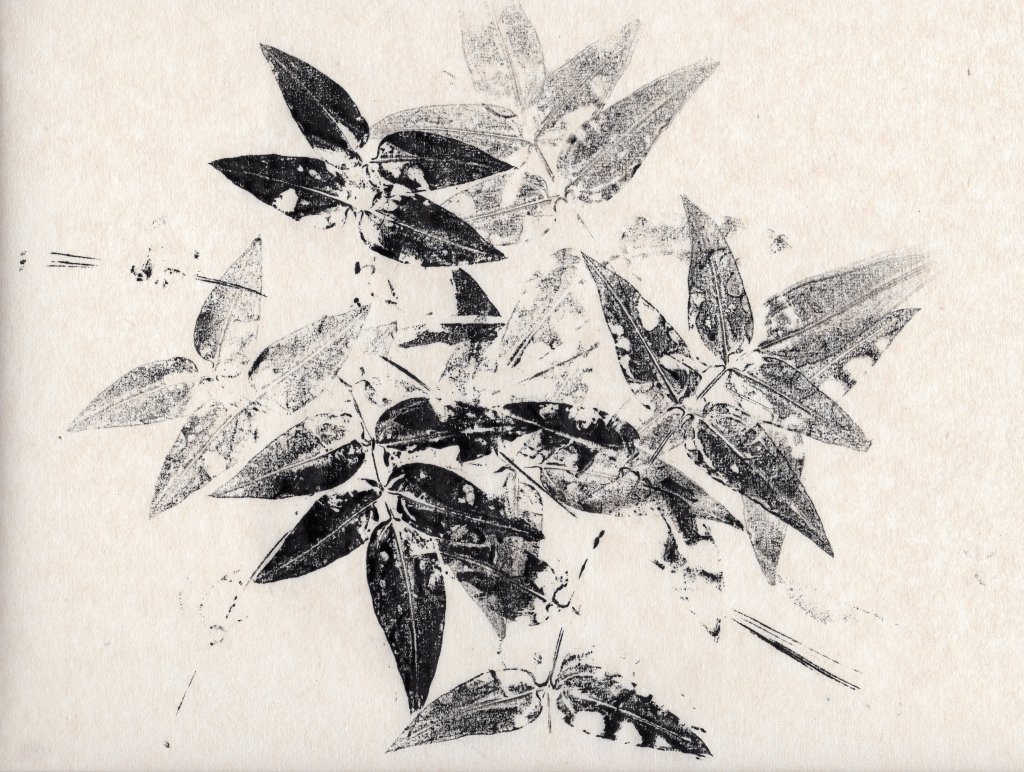
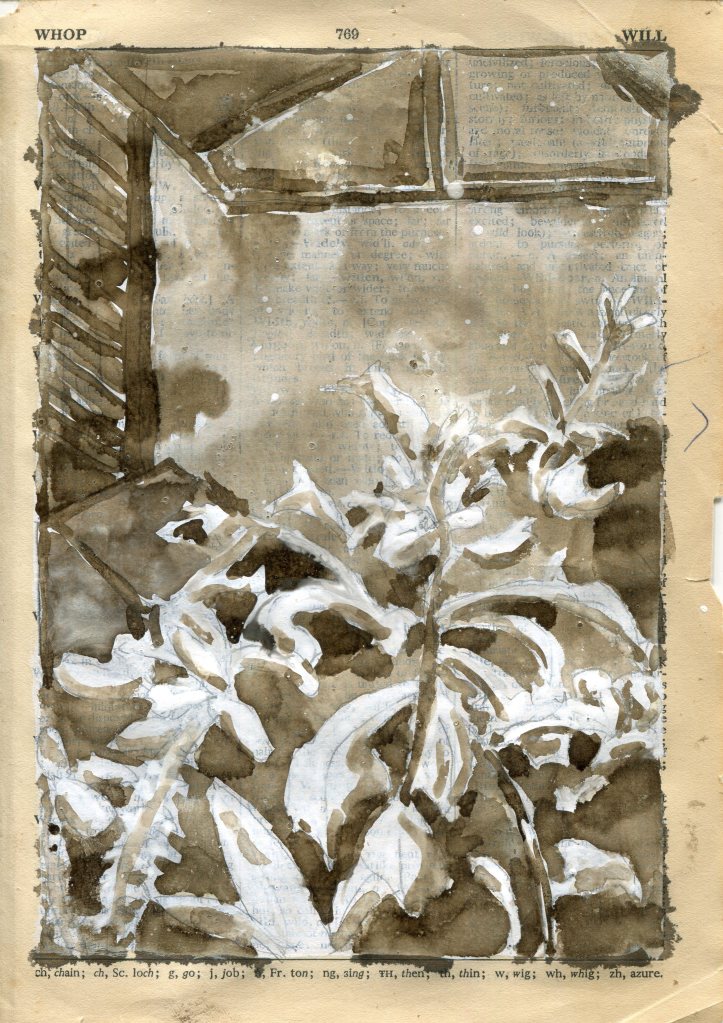
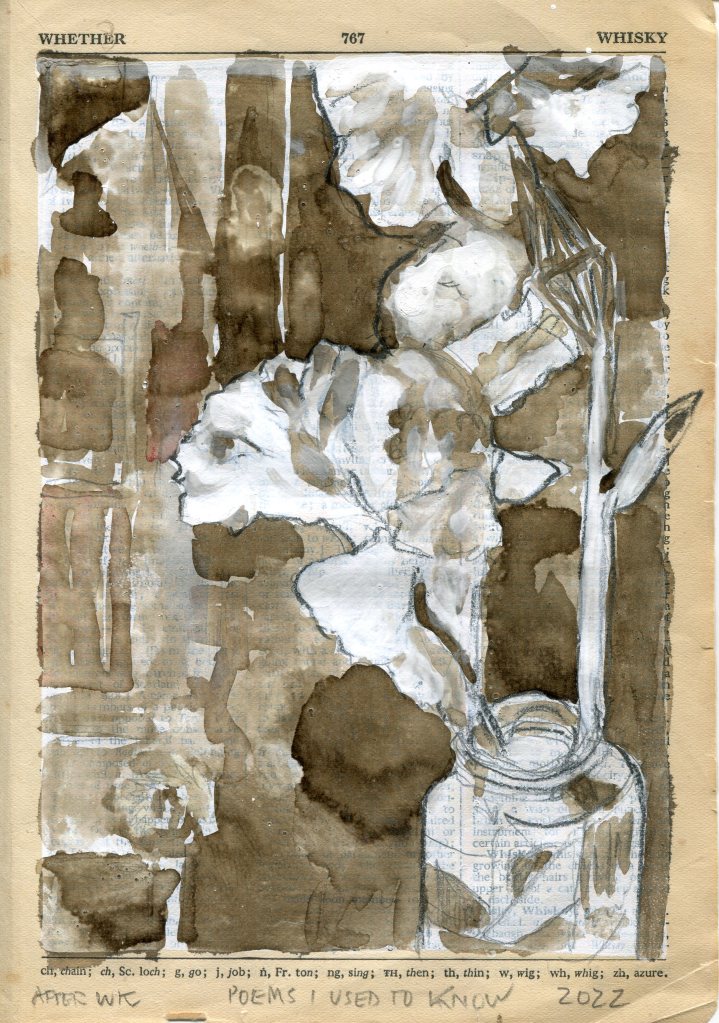
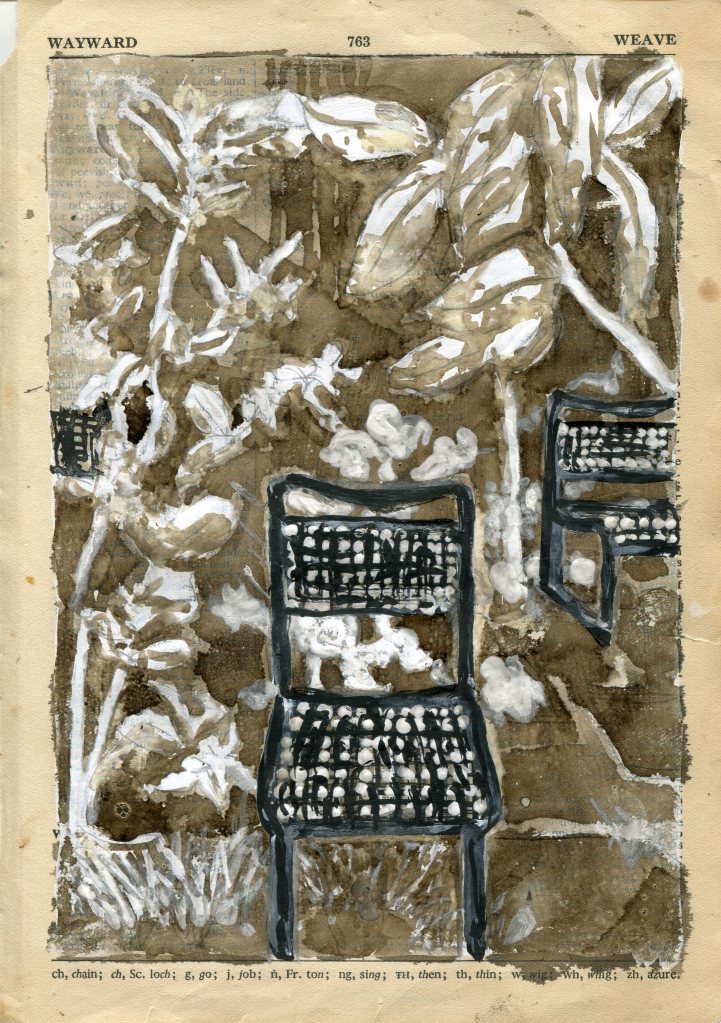
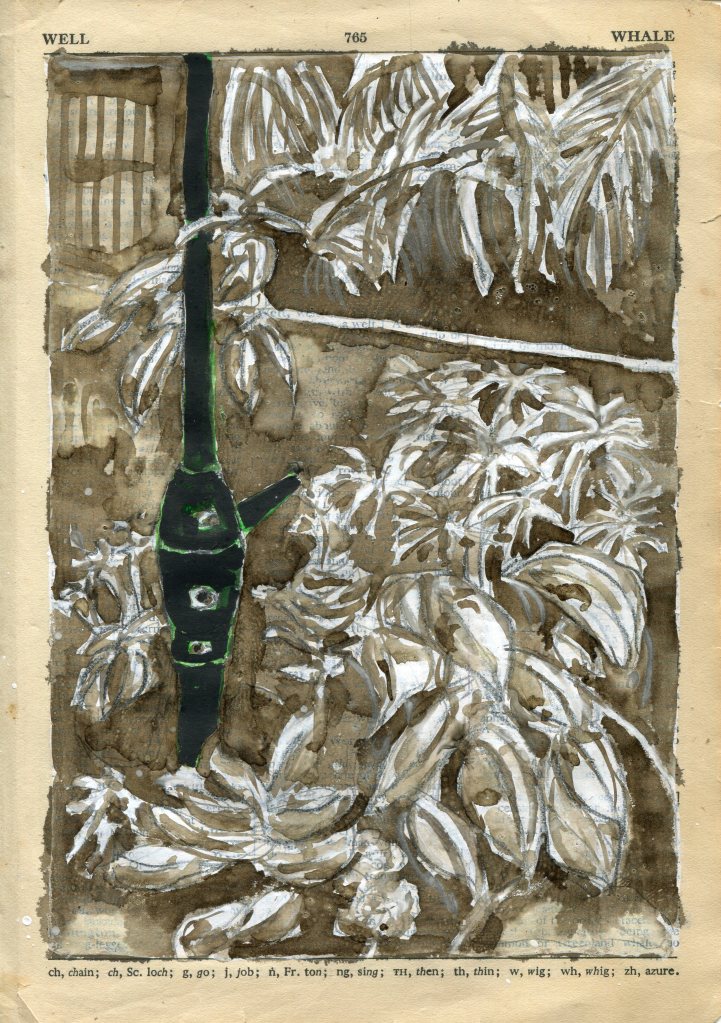
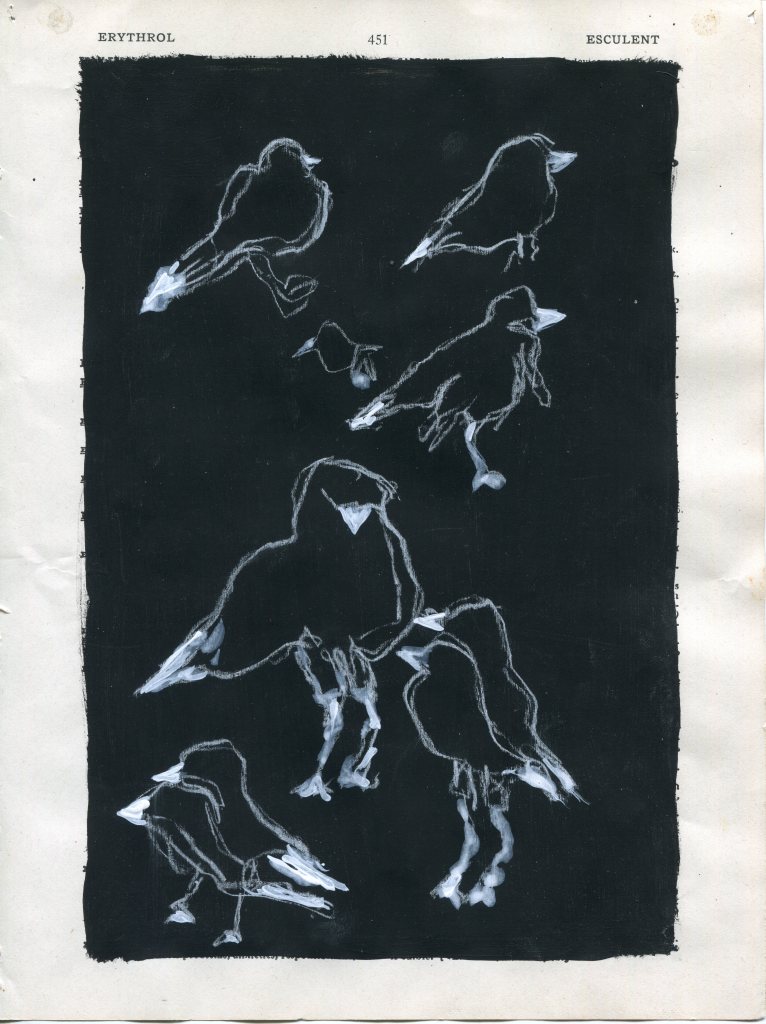
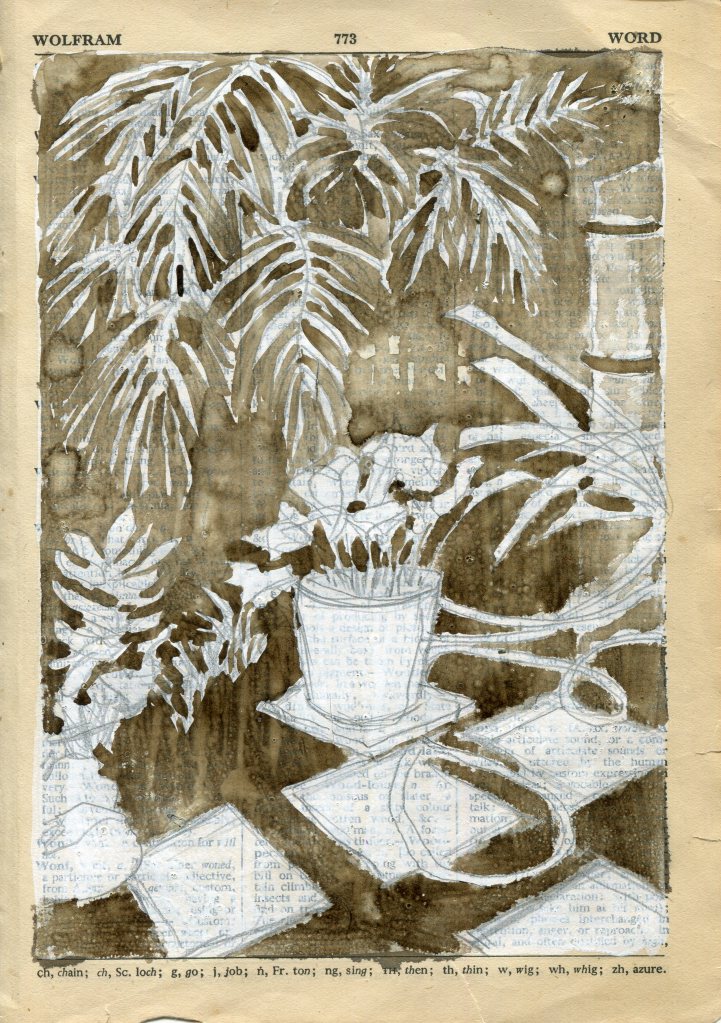
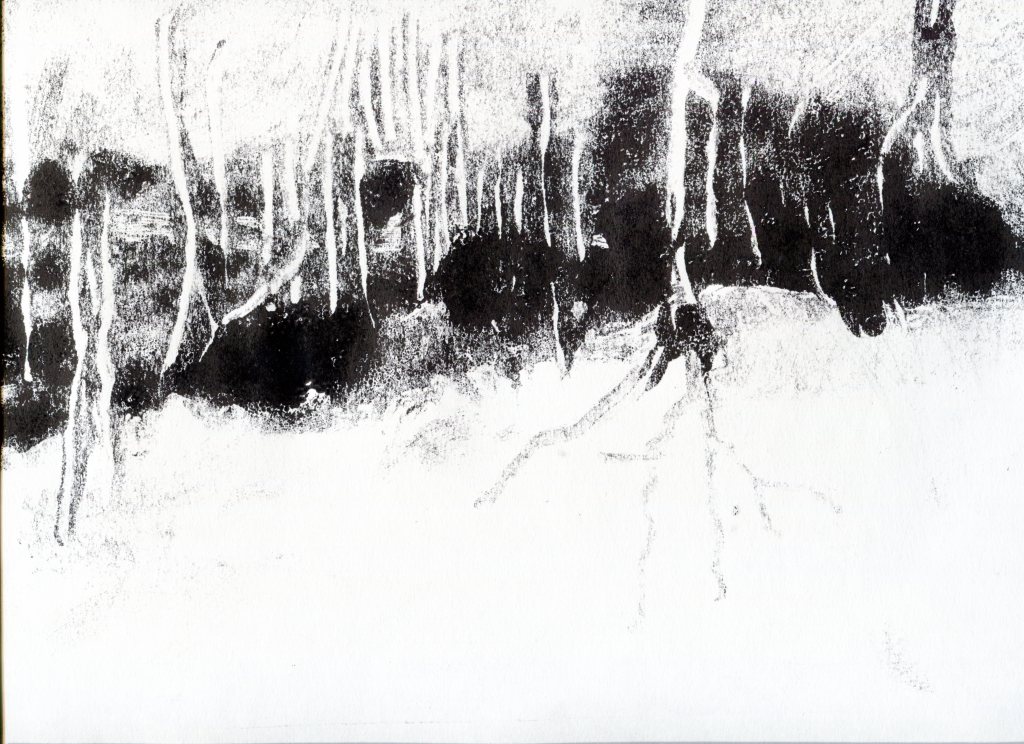
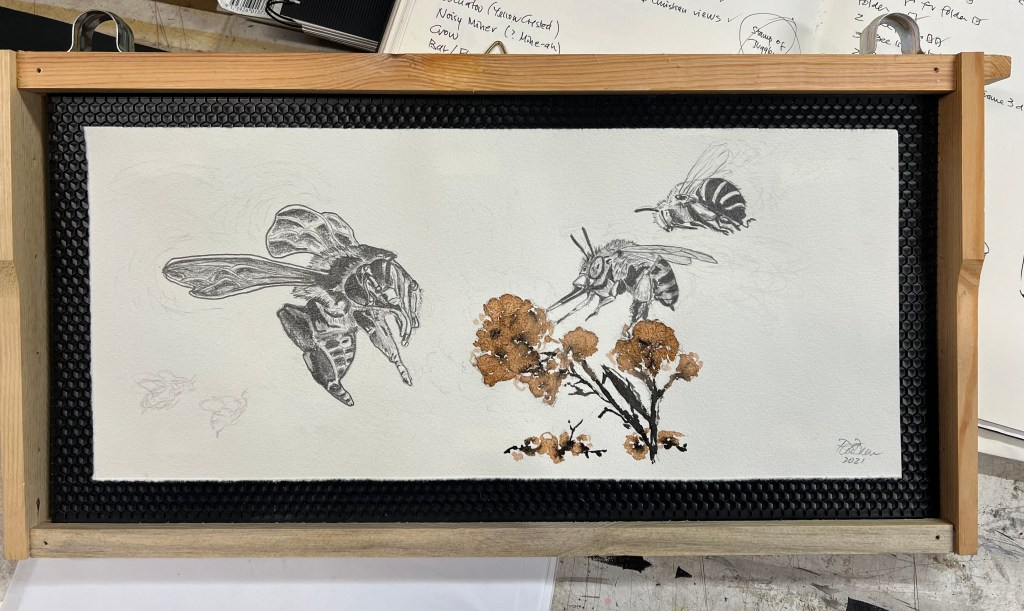
All of the following are samples of my drawings, prints and commissions over the past 7 years. I am interested in your critique and responses to the works as I explore,learn and make marks of all kinds. I have given my mark making full focus and attention, practice and studio presence as more time has become available.
Researchers have identified that over the past 10 years everyone’s attention span appears to be getting shorter. It is natural for our attention to wax and wane, especially if we get a bad sleep, however the demands of modern life and constant bombardment of phones, social media, emails and the internet are having a big impact on our ability to stay focussed and present.
One of the reasons this is happening is because our brains want novelty, excitement and social connection, and devices often accommodate those desires. Checking a notification flashing across your screen can provide a small hit of dopamine, creating a sense of reward that keeps you coming back for more. So each time you give into temptation by checking your phone, your brain has to stop what it was doing previously and move to the new task of checking your phone. This constant checking affects the overall speed and quality of your attention “the more you engage in task switching, the more your brain wants to wander and look for that new thing”. Your brain gets used to constant diversions and it becomes a bit of a nasty habit.
The average human attention span is now down to 8.25 seconds; the average office worker checks their email box 11 times an hour and the phone takes up on average 3 hours and 16 minutes a day. So what can you do about it:
1. Get Active. If you cannot concentrate, try some exercise before you get to work, like jogging in place, or doing jumping jacks. Doing 15 minutes of activity before a challenging task can help you stay more focused. 2. Take Breaks. Practice attentive behaviour at non-crucial times, then take attention breaks. Using a timer or a phone app, have an alarm go off during the work period. Write down whether you were paying attention. This can help train your brain to understand what attention looks like, and how often you are tempted to let your attention wander. 3. Adjust Time Frames. If you find that, no matter what you do, you cannot stay on task, you might need to break content into smaller time intervals. Break up tasks so you work without becoming overwhelmed. 4. Remove Distractions. When you are having a hard time paying attention, clutter on your desk or workspace can make it impossible to focus. Remove unnecessary clutter from your space. Put your phone in another room and turn off the notifications on your laptop so you don’t get distracted. 5. Rate and Change Tasks. If you tend to avoid things or become very distracted, rate the level of challenge found in the activity on a scale of 1 (easiest) to 10 (hardest). If the activity is an 8 or higher, think about what you can do to make the task a 2 or 3. 6. Break Up Tasks. If these strategies fail to help you, look at the task itself. Can you break it into smaller chunks? Do part of the task, take a break, and come back to the project to finish it. You might finish faster than if you try to complete it all in one sitting.
The biggest strategy here is to remove the device that may be distracting you, and that means out of eyesight and earshot. There is plenty of evidence to show that you can increase your attention and learn to get focussed, it is just doing to take a little bit of discipline and work.
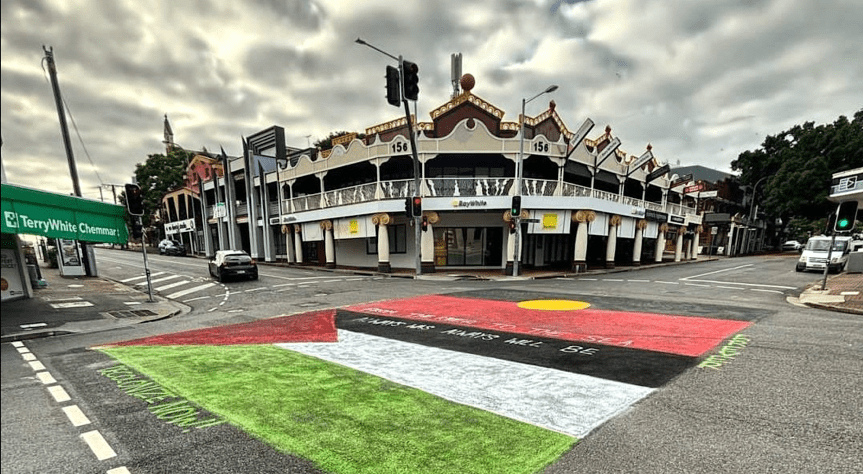
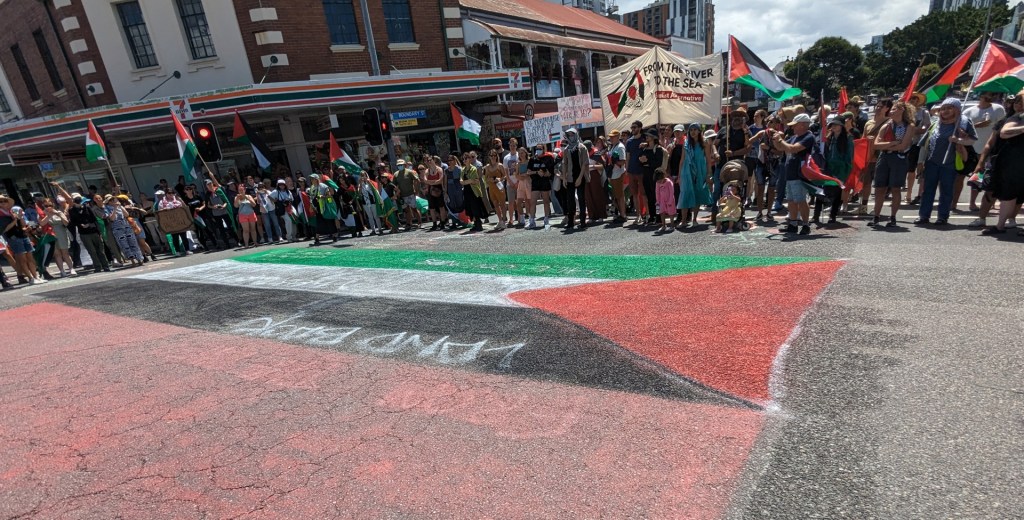
In Brisbane, Queensland [ Australia] there is a very famous intersection in West End and a very famous street – Boundary Street. Boundary Street was so named as the boundary over which aboriginal people could not pass in the apartheid state of Queensland. Penal settelement extrordinaire! Now the battle royal is on in the lead up to the local council elections in Queensland this coming weekend. The Lord Mayor of Brisbane – a well known conservative Christian Mayor Adrian Schrinner has led the push back for the removal of the Palestinian flag from this intersection at least twice – and it is back again – and has apparently lit the colours of Israel on the inner city Victoria cross river bridge. A Pro-Palestinian march last Saturday saw that bridge beseiged by and with Palestinian flags.
Flags in this context are public art, murals and some would say, vandalism and defacement. There is a long tradition in West End at this intersetion for the Australian Aboriginal flag to be drawn and redrawn but it seemed as if the Palestinian flag was a step too far for the Brisbane City Council under Liberal National Party Lord Mayor Schrinner.
Artists working in response to any matter of meaning mark making have a little voice in the back of their heads “Art can change the world.” Art does indeed change the world constantly and at times exponentially. From John Lennon’s “Imagine” to graffiti to film to stage plays to poetry to novels to group nude photography sessions – art changes the world. South African artist William Kentridge view is that it is in the in between spaces and the arrival of the less good idea when good ideas seem to wither on the vine that we find the work and some of the meaning we need to pursue and make. There are other times as in the war in Palestine when the art to make and exhibit seems to take the artists and the public captive. The flag calls those who care to make movement, placement and exposure of the issue via its repeated public exposure. This art forms a clear call for justice, mercy, kindness and radical change. An end to war. Imagine!
For some reason known only to better minds than mine – and god – I thought for a long time that unless the language of Christian fundamentalism was clearly stated along with behavioural lifestyles and appearances that school mates, politicians and the local doctor and millions more were all enemies ripe for the conversion picking. That kind of indoctrination is cultic and it takes 73 years to start to unpack it – and more.
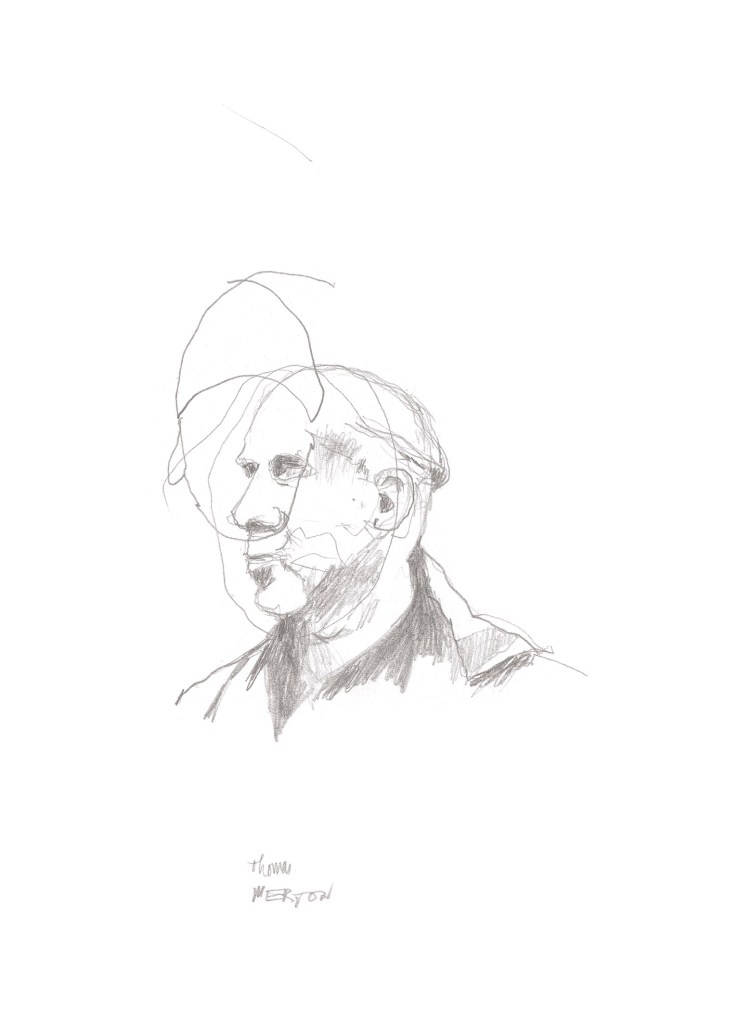
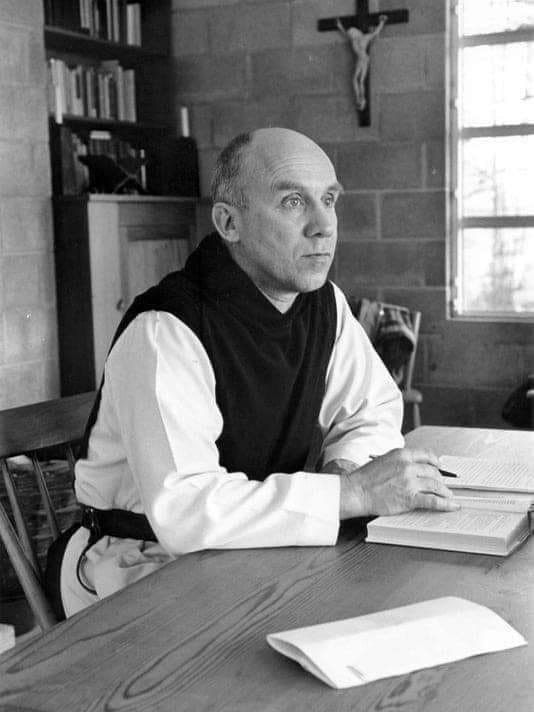
Thomas Merton pre the second vatican council under Pope Saint John 23 said this in addressing how to be with neighbours and the spirit of Christ:
“If I allow the Holy Spirit to work in me, if I allow Christ to use my heart in order to love my neighbors with it, I will soon find that Christ loving in me and through me has brought to light Christ in my neighbor. And I will find that the love of Christ in my neighbor, by loving me in return, has drawn forth the image and the reality of Christ in my own soul. This, then, is the mystery of Christ manifesting Himself in the love which no longer regards my neighbor as an object or as a thing, which no longer treats them merely as a friend or an associate, but sees in them the same Lord who is the life of my own soul. Here is a subjectivity that transcends every object of knowledge, because it is not just the climate of our own inner being, the peculiar silence of our own narrow self, but is at once the climate of God and the climate of all. Once we know this, then, we can breathe the sweet air of Christ, a divine air, which is the breath of Christ. This ‘air’ is God —the Holy Spirit.” – Thomas Merton
You Can Make Some Noise Workshop – 2022 You Can Centre, RBWH
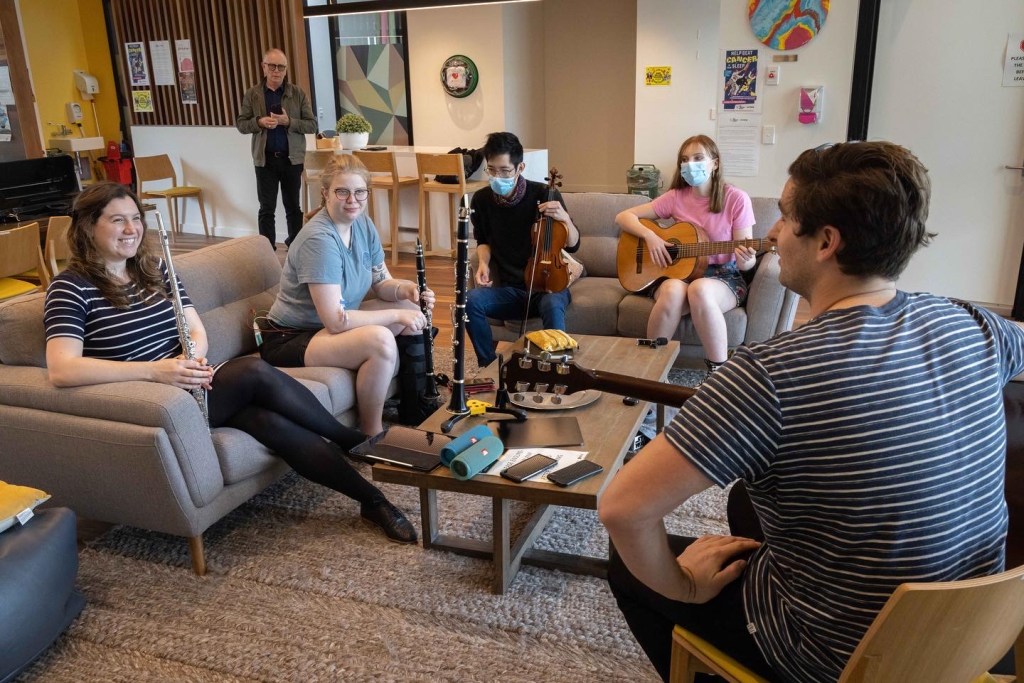
The You Can Make Some Noise workshops [ 2022-2023] at the You Can Centre at the Royal Brisbane and Women’s Hospital was begun as an iteration of The Stairwell Projecthttp://www.stairwellproject.org.au and has highlighted again the need for more than hard assets, spaces and equipment for patients. We are incredibly grateful for the support from the Cancer Care Services staff at RBWH and the assets made available to the team and the young people who “rock up” – including the recent equipment purchases from the RBWH Foundation in the You Can Centre. This equipment and the instruments are being used each week. Then there are the two days of pro bono recording at QUT Recording Studio in December 2023 for the 6 songs written by the group over the last two years. There is much gratitude for all of this and an increasing anticipation around the release of the record and booklet later in the year.
These processes are now tinged with a large weight of sadness at the the death of one of our group – Joe Fan who lost his battle with Leukemia on Sunday last as noted in the previous post on this blog.
It is clear in all of this, however, that our vision to “reimagine clinical spaces and practice” with professional musicians employed and performing regularly and leading workshops needs qualitative social impact evidence for policy and budget considerations by a range of funding bodies, most of all in my view being the Queensland Government and Queensland Health. We – both Jugglers Art Space Inc and The Stairwell Project – are extremely grateful to have been funded over the years by various departments of the Government – a remarkable Arts Queensland grant for Stairwell in 2021 to name one. But to move our vision into reality it needs to be seen that as much as the system needs nurses, physios, radiographers, doctors and medical hardware and so on, there needs to be more than the occassional competitve grant process for us to navigate. There needs to be a recognition of the long term benefits for patients, staff and the public – and for the economy – when musicians are employed as other clincal staff are in hospitals as part of a wider approach to the arts IN health. Something amazing happens to the spaces and peoples’ souls and at times even their recovery with the presence of skilled and intuitively mature musicians performing considered repertoire in wards, stairwells and foyers or working on recording stories with young adult cancer patients.
I am interested in your responses to what I have written and I encourage the reading of the two attached [below] research papers on the affects of the Stairwell Project musicians performances at the RBWH and St Vincent’s Health and for you to consider financial sponsorship via the GoFundMe link [below]. Many thanks for your interest and encouragement.
Peter Breen
Founder/Curator The Stairwell Project.
Photo Credit: Peter Breen
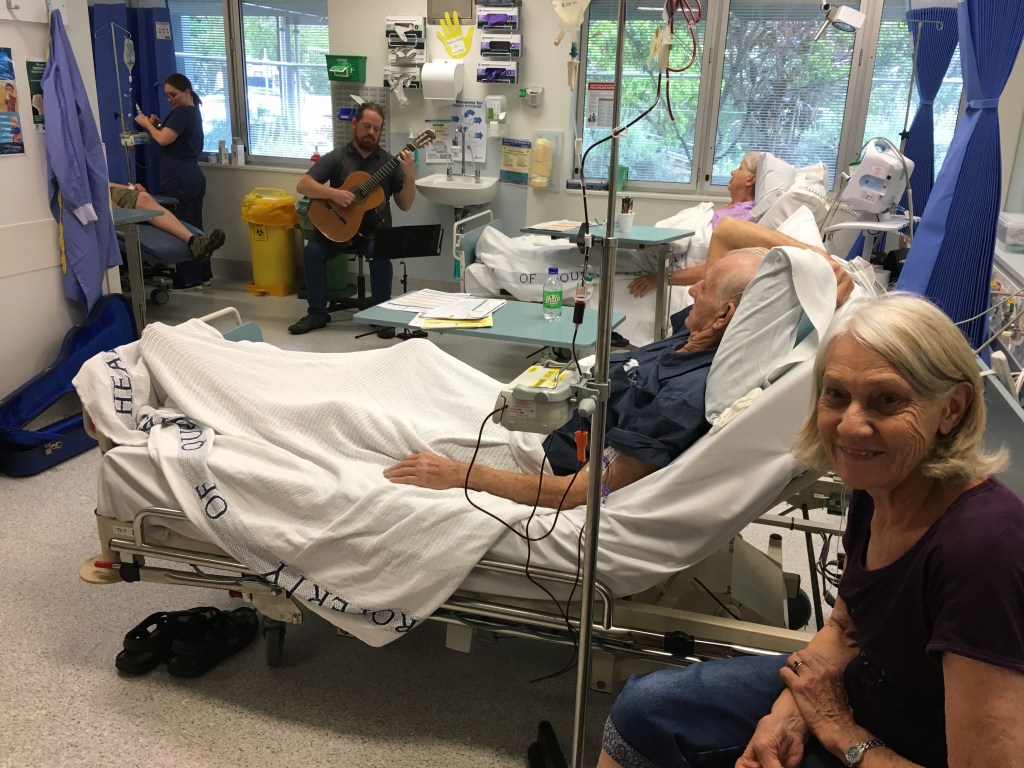
Stairwell Team member guitarist Ian Ahles – Cancer Care Services day treatment ward 2019
Stairwell Team member guitarist Ian Ahles – Cancer Care Services day treatment ward 2019
The Stairwell Project Research #1 Author Kristy Apps
The Stairwell Project is an outreach program of Jugglers Art Space Inc, a Not For Profit Incorporated Association and Registered Charity with DGR [ Direct Gift Recipient status]
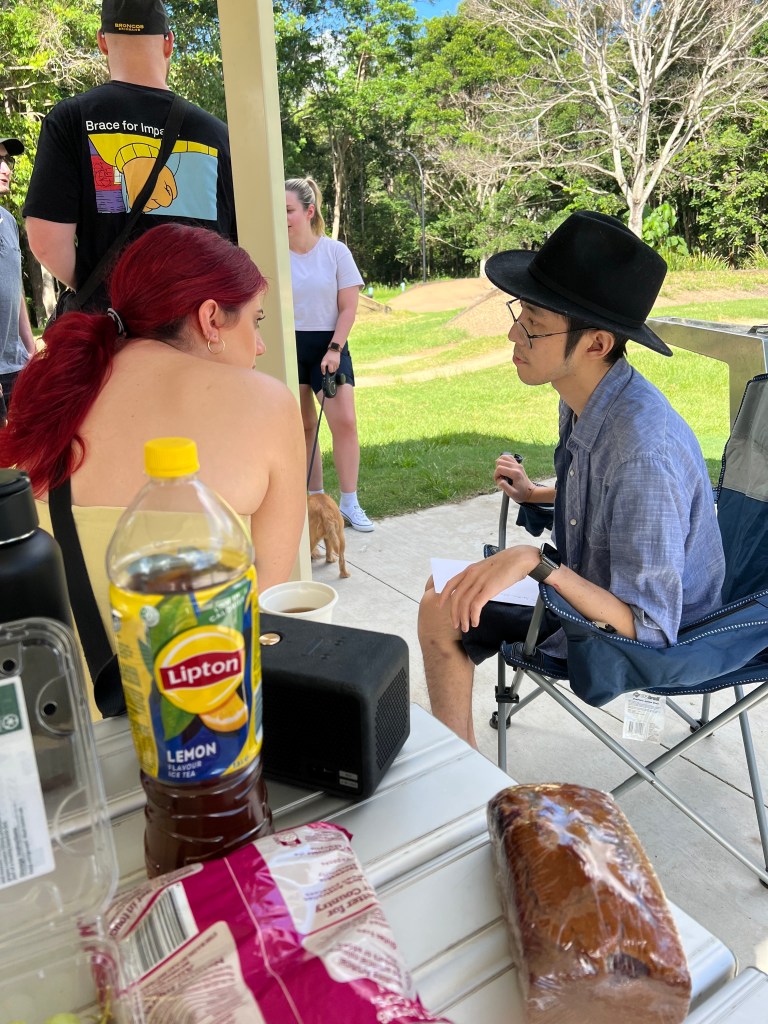
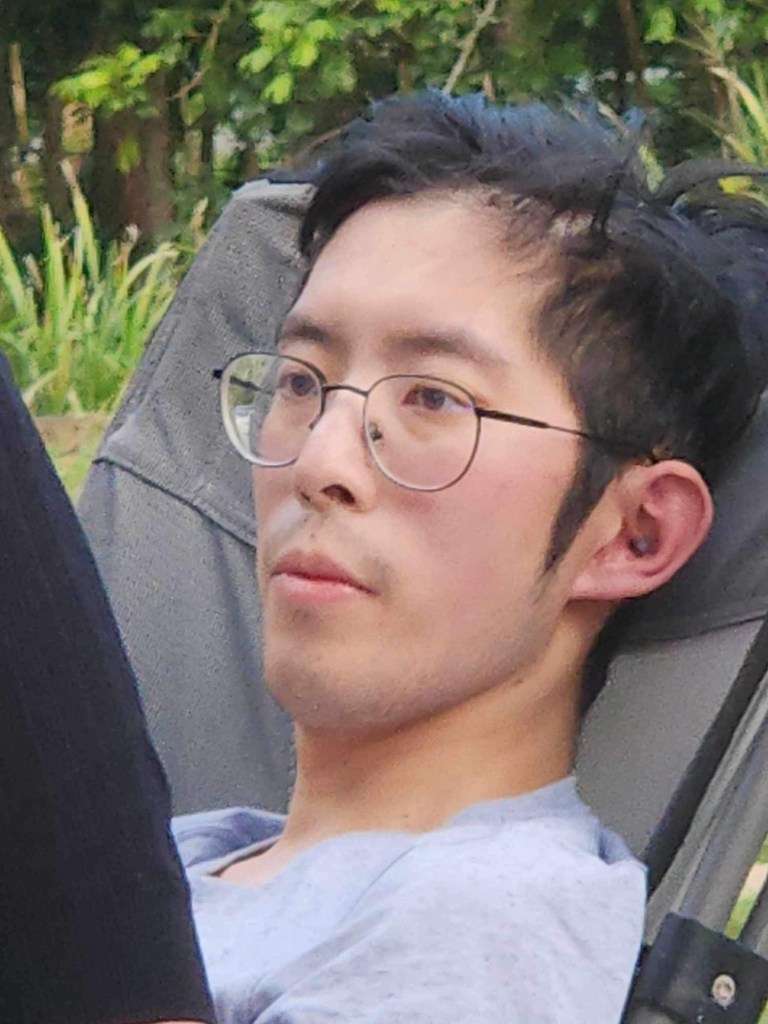
Today a young friend and musician, a man of great talent and grace passed away after battling leukemia for 5 years. Joe Fan was only 29 and though he was expected to die soon, we did not expect that it would be so quickly and a day after we met with him in a local park. He was weak and struggling but with his friends around he gathered his strength to be present and to give what he could to us. He gave us his heart and his presence. A remarkable group of young friends, many of whom were survivors of cancer and only too aware of their own brush with death.
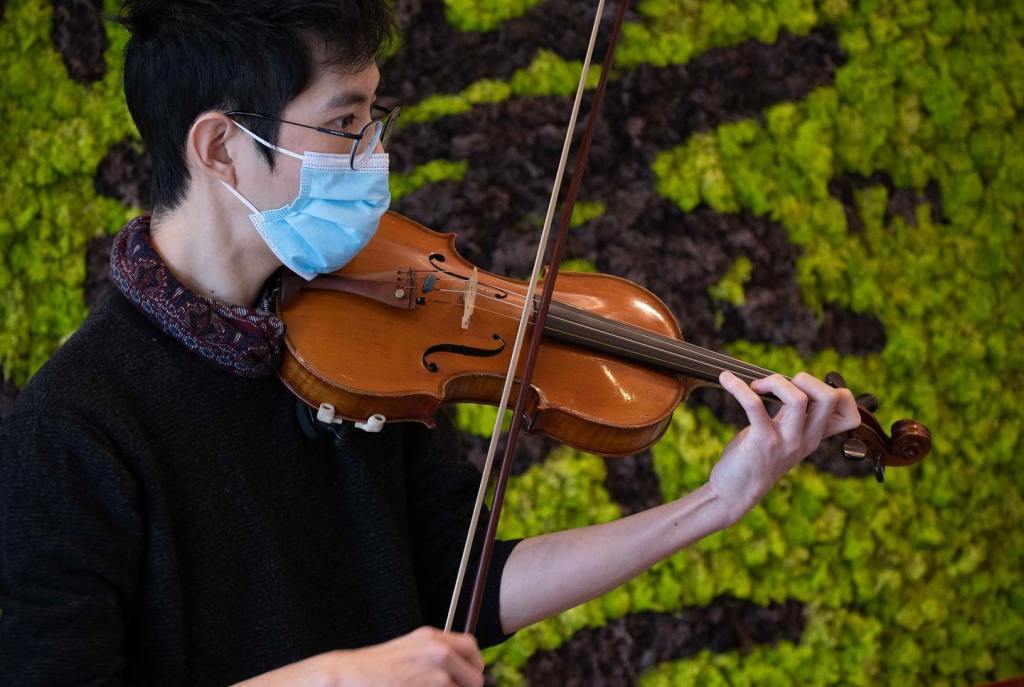
Joe was an exceptional musician and music teacher, dancer and photographer. He trained as a cardiac scientist. Here he is with the You Can Make Some Noise workshop group at the QUT Recording studio in December 2023. Joe was part of the intitial YCMSN pilot workshop in 2022 and worked with the group under Danny Widdicombe’s mentorship and later in 2023 with Topology musicians who are working with The Stairwell Project and You Can Make Some Noise workshops. The record has been mixed, we will have a final listen and edit this Friday and release the record sometime in the first half of 2024. It would be good for it to be dedicated to and in memory of Joe Fan.
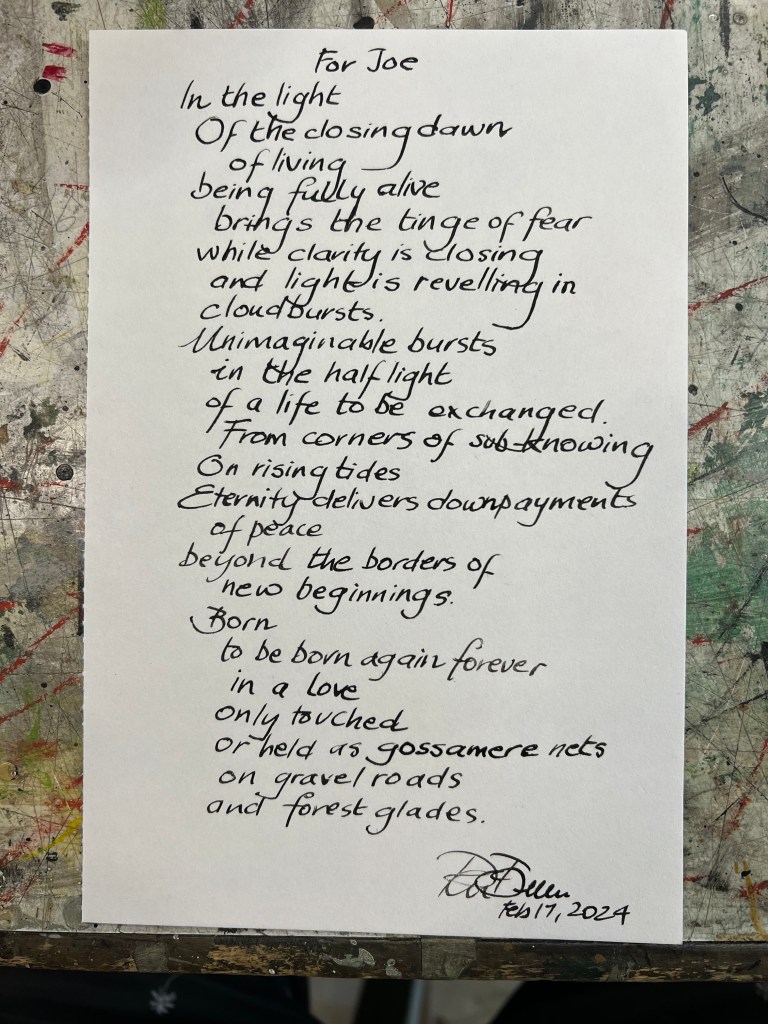
I met with Joe and his partner Ainslie Plumb – a leukemia survivor and You Can Make Some Noise participant – in the blood cancer 5C ward at RBWH on Thursday, the day he heard the news of his impending death and the day he was discharged. I sat with them for a couple of hours and said I would write him a poem. He was anxious about dying, about what he would find on the other side. I assured him that it was love and grace and beauty that he would meet, not judgement and fear. I wrote the poem and took it with me to the park yeserday and gave it to him. In his usual dry wit he said: “Well that was a quick turn around! Thankyou.”
The presence of death is only too real in this world at the moment, in this world of violence, inflated male egos and tribal posturing. But a quiet death, a death unwanted and unwarranted in a hospital ward of one person in a busy city in Australia has impacted many and it has impacted me. This is now the third artist friend – and all young to middle aged men – that I have lost in the last 6 months to cancer. This poem is as much for me as it was for Joe and Ainslie and for whoever else reads it. But it does not heal cancer or open doors on treatment. Joe was getting the best and under the best oncologists including Dr Glen Kennedy who has been a strong advocate of The Stairwell Project and You Can Make Some Noise. We live in a broken and beautiful world that demands intelligence, determination and compassion. On this day of raw grief for the loss of a friend, my hope and prayer is that more advances are made on cancer treatments. My hope and prayer is also that live music and music making and story telling will be taken seriously within policy that delivers funded programs and a better world for staff, patients and the general public in hospitals and cancer wards where people like Joe Fan can be both treated and be involved as part of the healing pathways. #reimaginingclinicalspacesandpractice
Opening Talk– Peter Breen, Co-Founder/Chair Jugglers Art Space Inc
Welcome and we pay our respects to the custodians of the land we are on, the land of the Yagera and Turrbal people, to elders past, present and emerging. Their art holds and expresses the spirit we are touched by.
Art in public spaces
The system is under strain
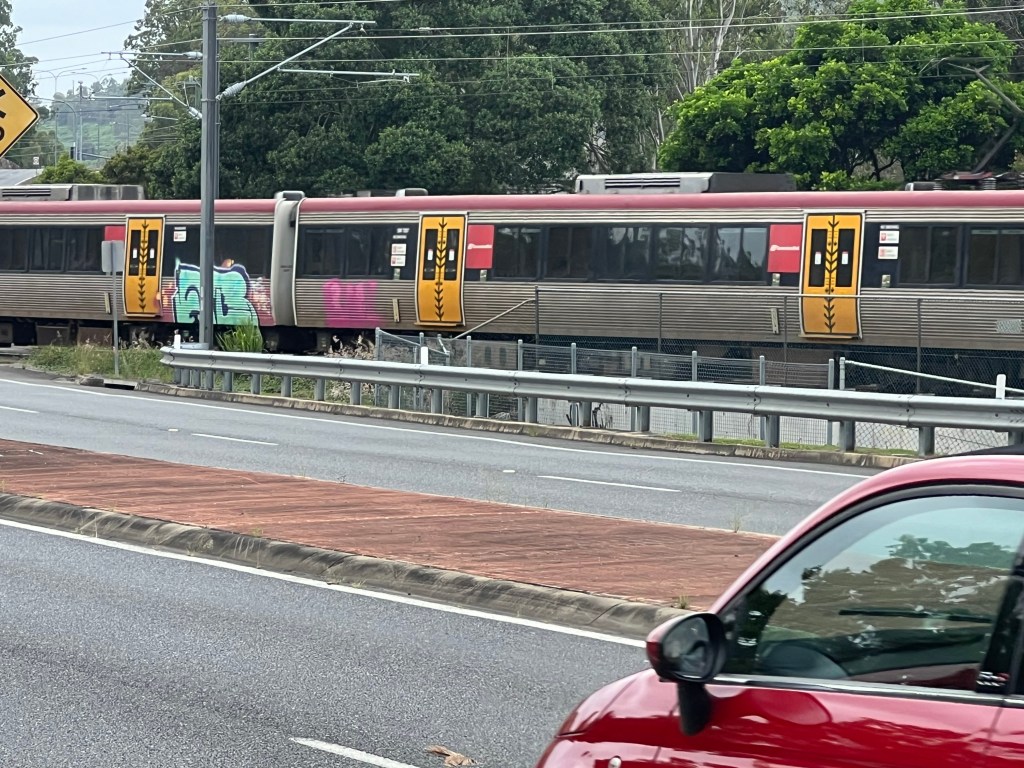
There are marks on the Ferny Grove train
Coming into the home town platform
Marks and colour and fame.
Around the skins there’s Montana
Ironlak- White Night are new
The lads are quietly hissing
The iPhones are dancing a few
This freedom won’t last forever
But Art finds the gaps in the wall
The powers that be
Can’t understand us
We have a different call.
We look for the canvas on bin lids
We paint on the roofs and the trains
We won’t stop a moment
For boring old pollies
For our hearts are flying, not tame.
Peter Breen 2024
This is a great event.
Congratulations Cheri for this work, this beautiful work.
Congratulations to all the artists Cheri has captured in still and video forms.
I met Martha Cooper a few years ago back at the Powerhouse with Lucks and Selina Miles. Selina’s film about her [ on Netflix] is magical.
I didn’t know that Brisbane has our own Martha Cooper! How many Cheris and Marthas are there in this world? A rare breed.
Cheri you’ve put in the time and and effort and money into your art, you are an accomplished and skilled photographer. You have experienced great grief and sadness recently with the death – from cancer- of your son. COVID threw a blanket over you as it did all of us. But here we are now – you’ve made it and we hope there are many more of these Cheri. Documenting this art with your level of skill and passion is incredibly important for anthropological reasons and for the sheer beauty and aesthetic pull of art – the artists’ and yours. Congratulations!
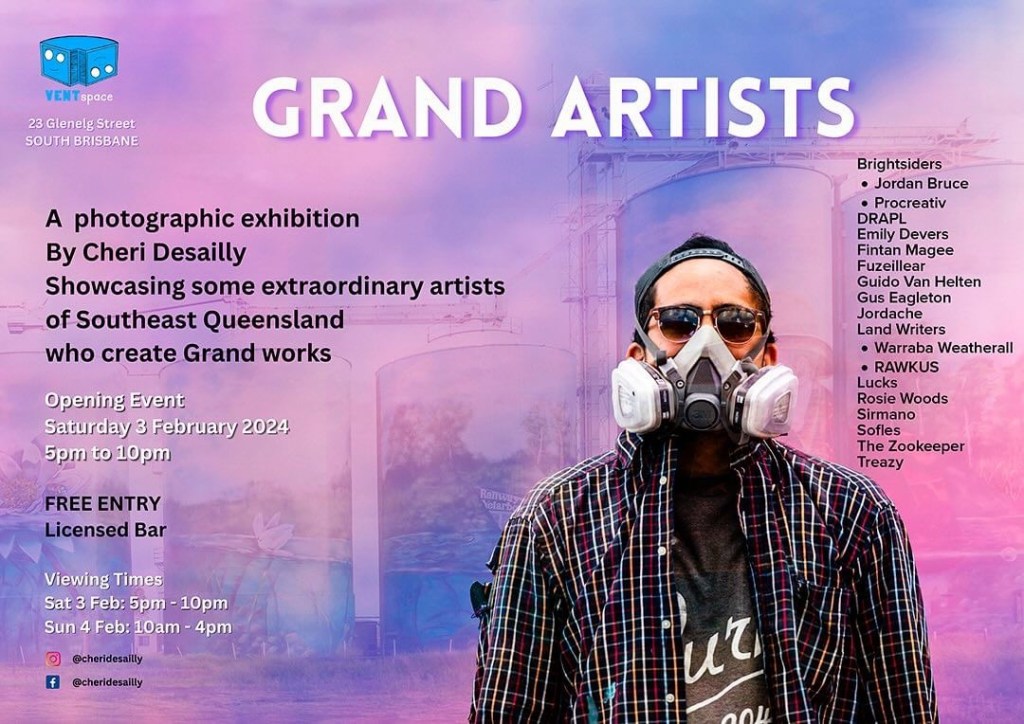
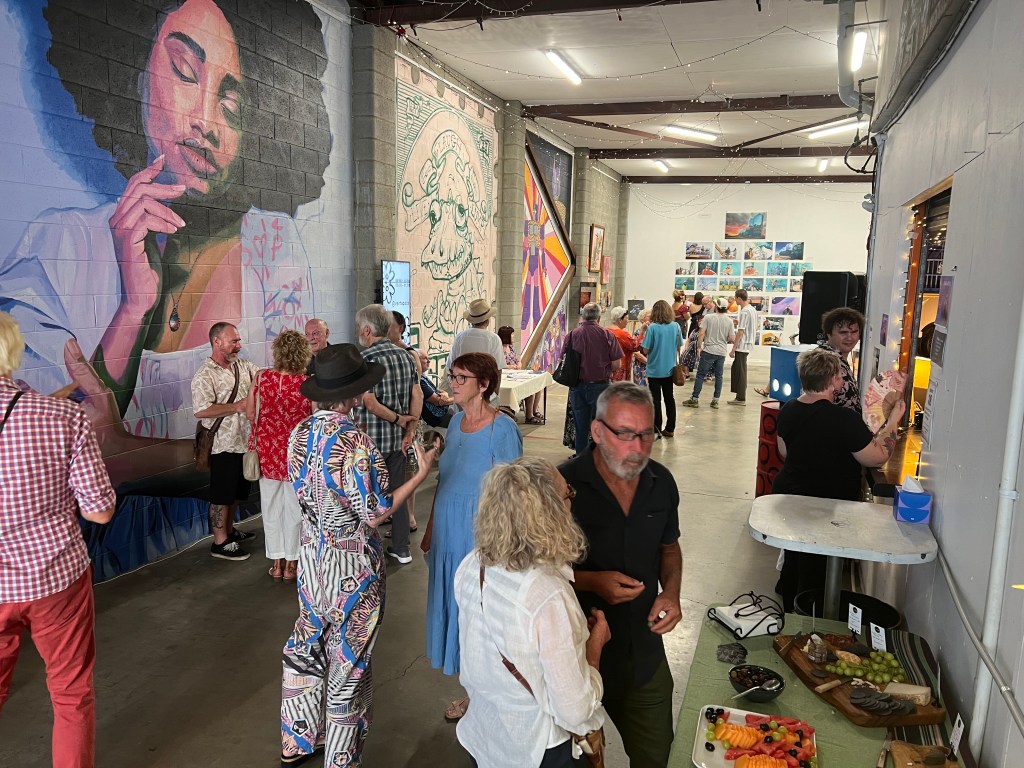
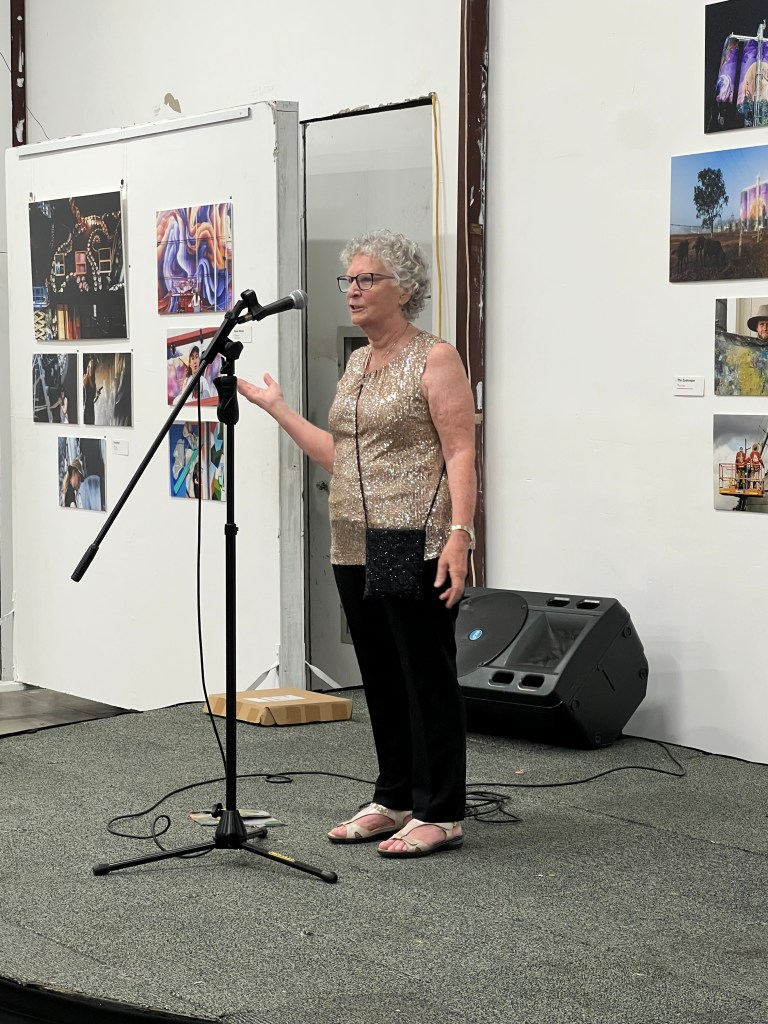
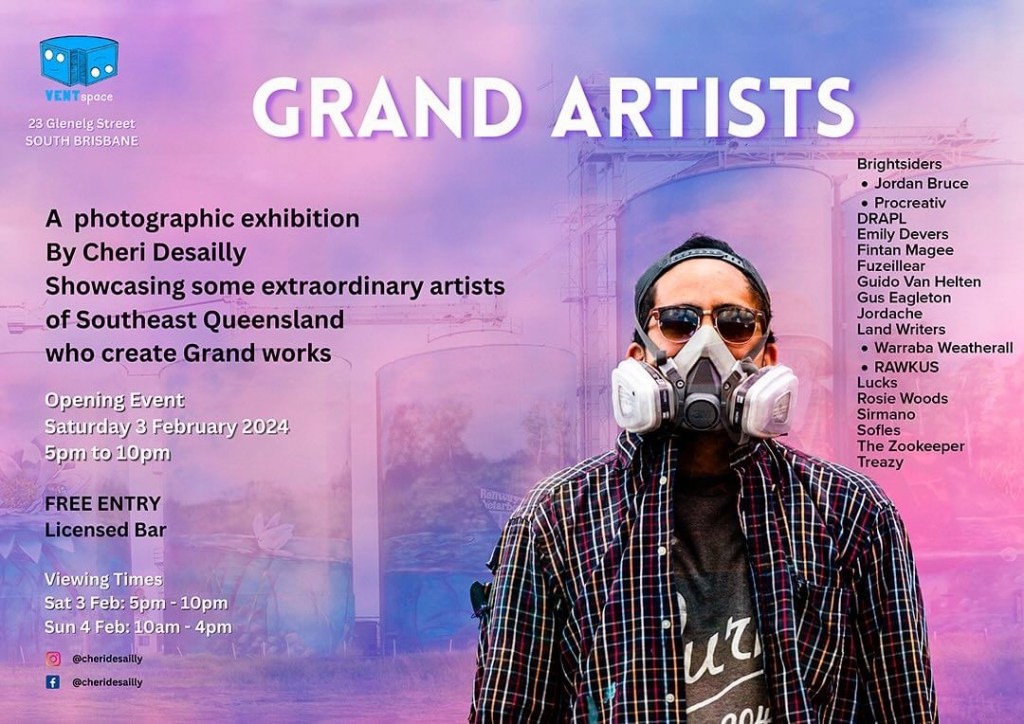
Cheri Desaily – opening Grand Artists at Vent Space, Brisbane February 3, 2024
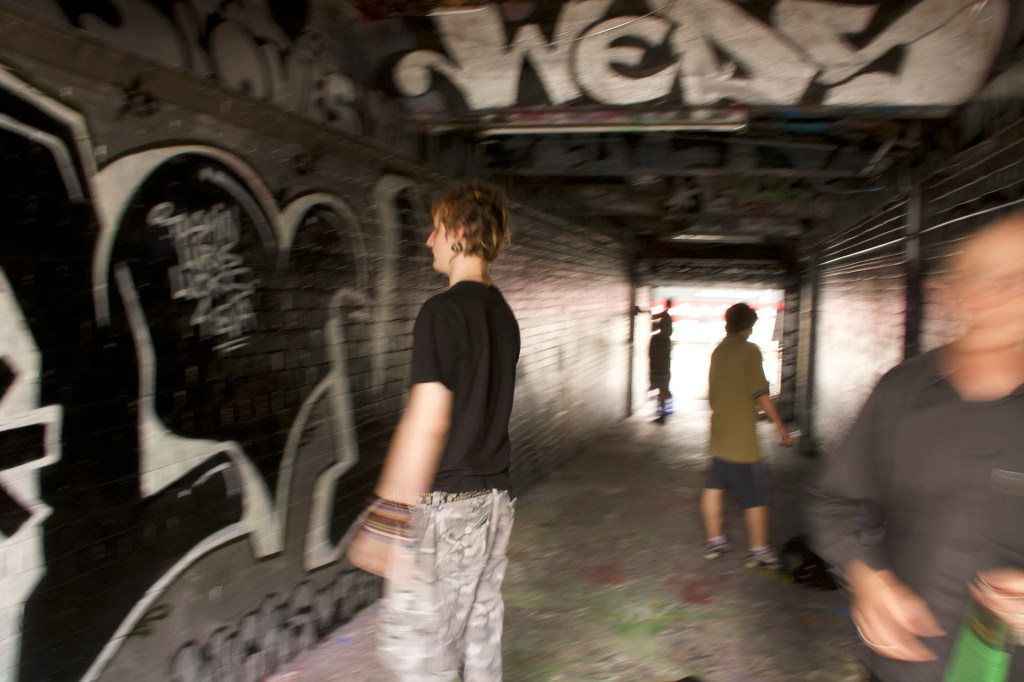
1n 1998 – and some of you were just born then! – Jugglers started on a church property in Everton Hills. There were always graffiti artists/writers making marks at those events – including James Alley and Blends. We took it up a notch at 103 Brunswick Street in 2002. Many of you wrote and painted and experienced with marks on those walls.
Graffiti writers in the tunnel at Jugglers, 103 Bruswick Street, Fortitude Valley, Brisbane.
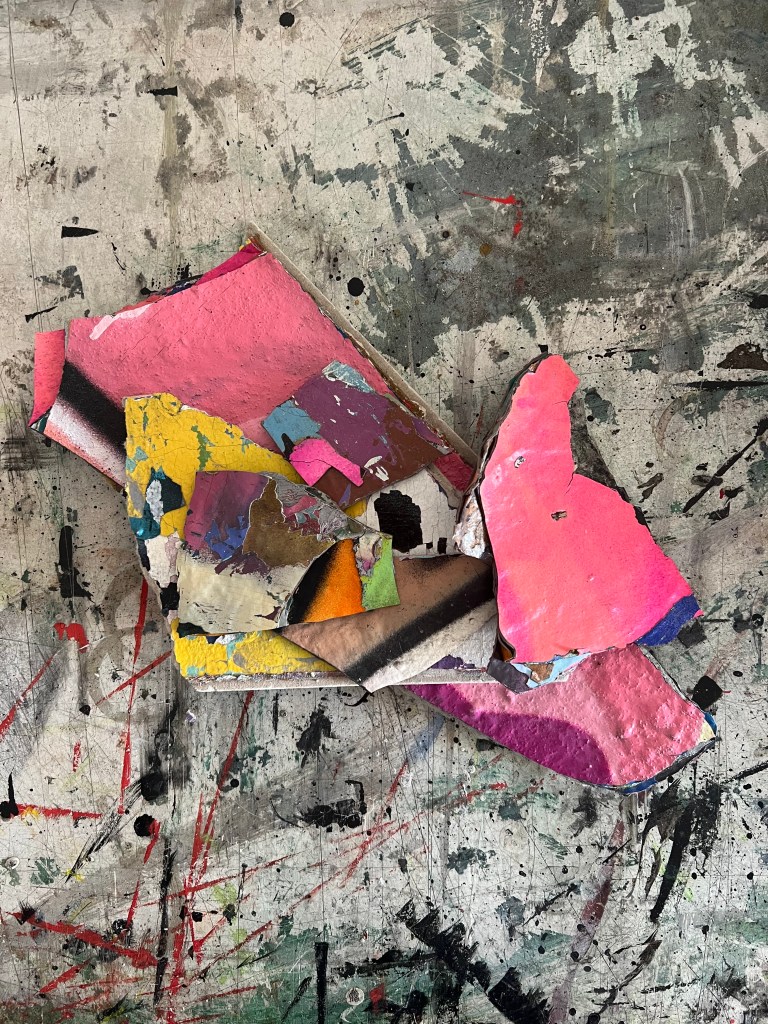
Paint shards after 18 years of aerosol on the walls at Jugglers Art Space Inc
I went to court with some of you, defended you with letters and presence, worked with Magistrate Christine Roney at Court #1 in the Diversion program before Campbell Newman and his protege Jarod Blei came to power. Randal Breen, Sam Eyles and Harley Breen painted the first QR murals on platform #1 at Central and on platform #9 at Roma Street – they are still there 20 years on from 2004.
It has been intriguing and awe inspiring to be around many of you and to be let into your worlds, to see the growth of your maturity, talent, skill and flourishing mural businesses. Someone has said to me tonight: ” This was our church when we walked up that tunnel and you were our pastor.”
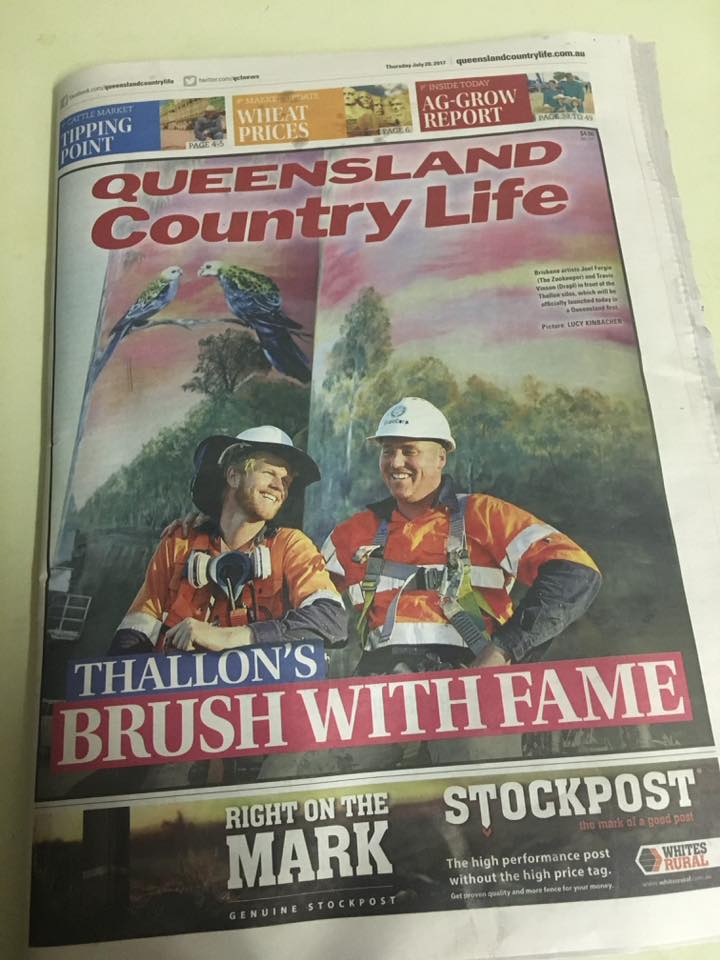
Steve Falco, Jordan Bruce, [ Brightsiders]Zookeeper, Drapl, Jordi, Gimiks Born, Guido, Fintan, Lucks, Emily Devers, Treazy, Sofles, Sarah Sculley, Micro Galleries, Women on Walls, Gus, Libby Hayward, Warabah Wetherall….and so many more. Over the years we’ve touched each others lives and lost a few.
Joel Fergie [ Zookeeper] and Travis Vinson [ Drapl] a few years back after working on a silo at Thallon, Western Queensland.
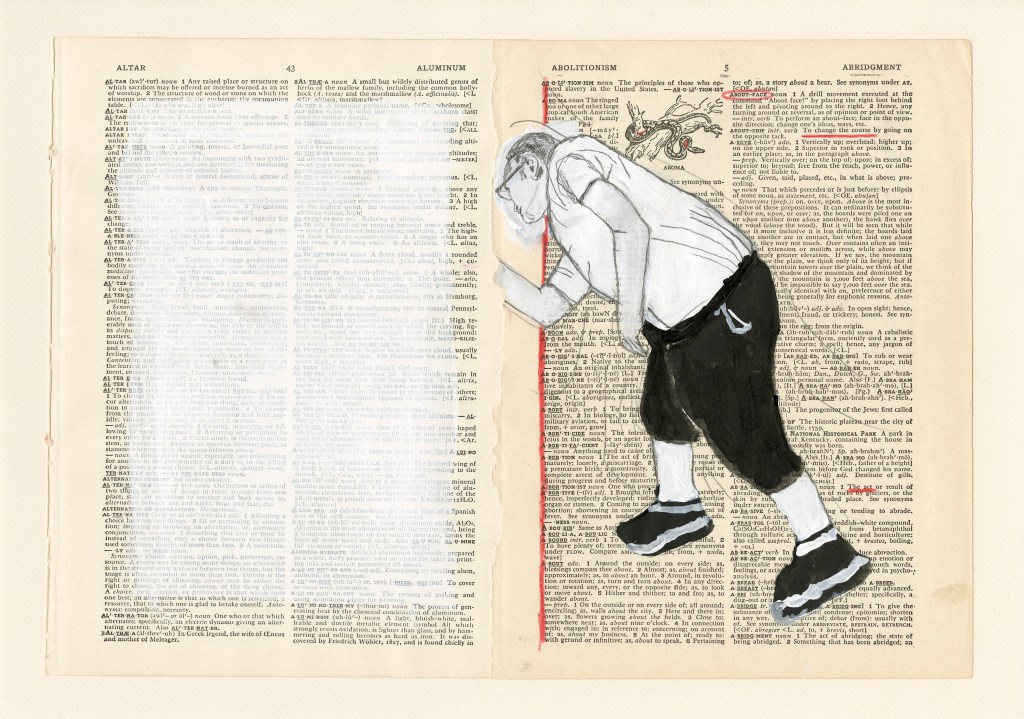
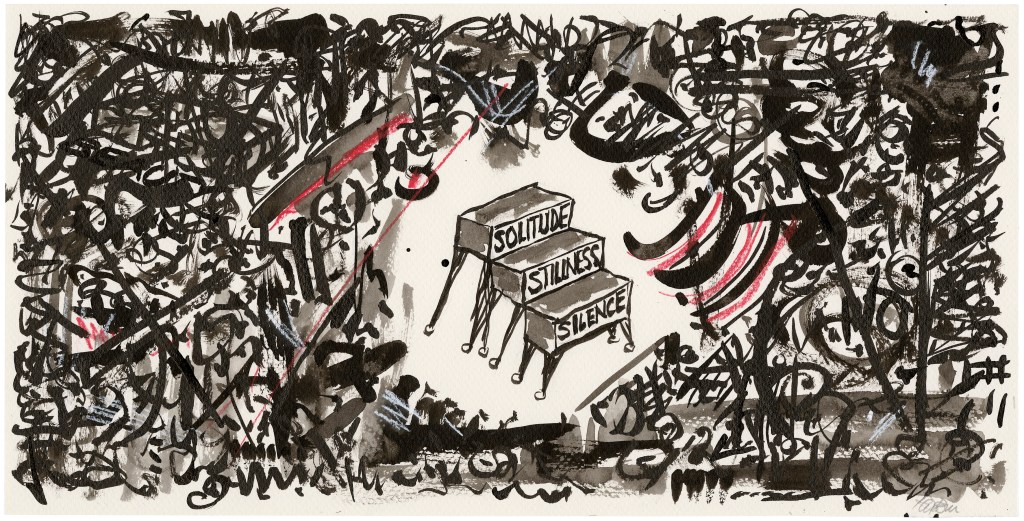
A few years back I draw a few small works with paint and ink as my response, my commentary on graffiti mark makers, on what we were trying to do, what we were trying to be and understand as non-graffitists and as starting out as a mark making artist, standing and listening in solidarity with all who walked up that tunnel.
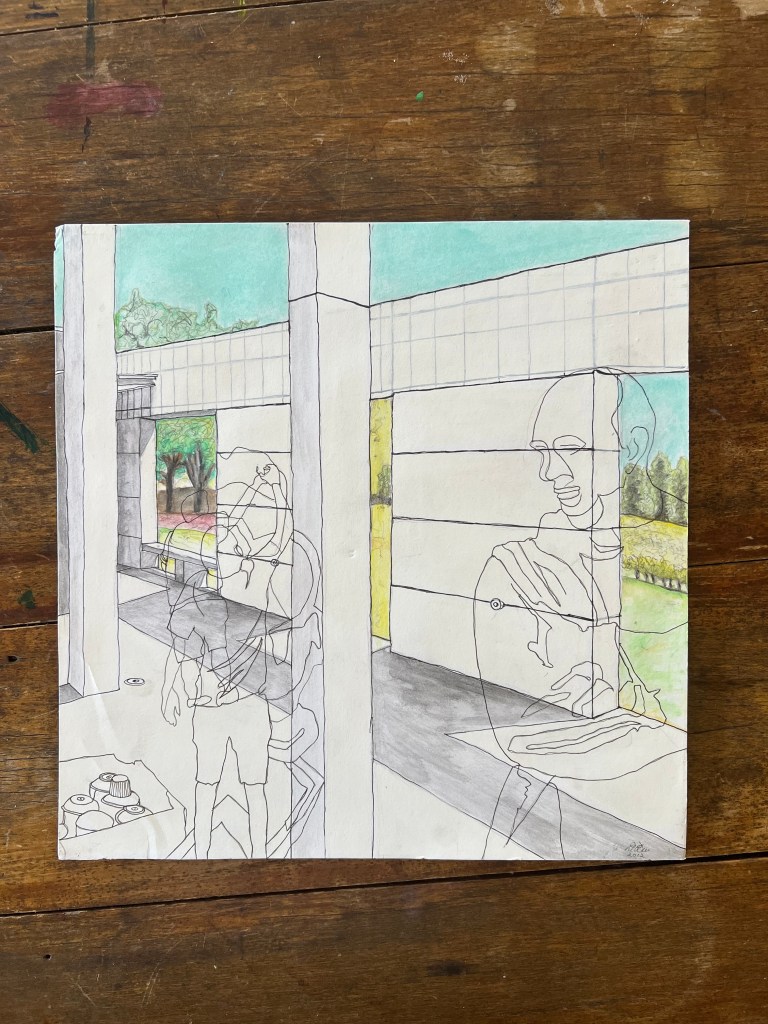
One of the drawings is taken from TarraWarra Museum of Art in the Yarra Valley. A stunning place owned by some of the big Melbourne money. I’ve been there a few times. In this drawing I’ve drawn over the walls some vague outlines of a young artist marking up, maybe a throw-up on one of the walls watched by a shadowy monk-like figure a spiritual director kind of guy. In repsenting the observer – maybe me – like this I was saying something like “I get what you are doing, I am distant and present, I won’t judge while I know there are consequences, but art must be marked up wherever and here if anywhere is a place to begin. Solidarity forever!”
“Tarrawarra mark makers” 2012 mixed media on paper mounted on foam core
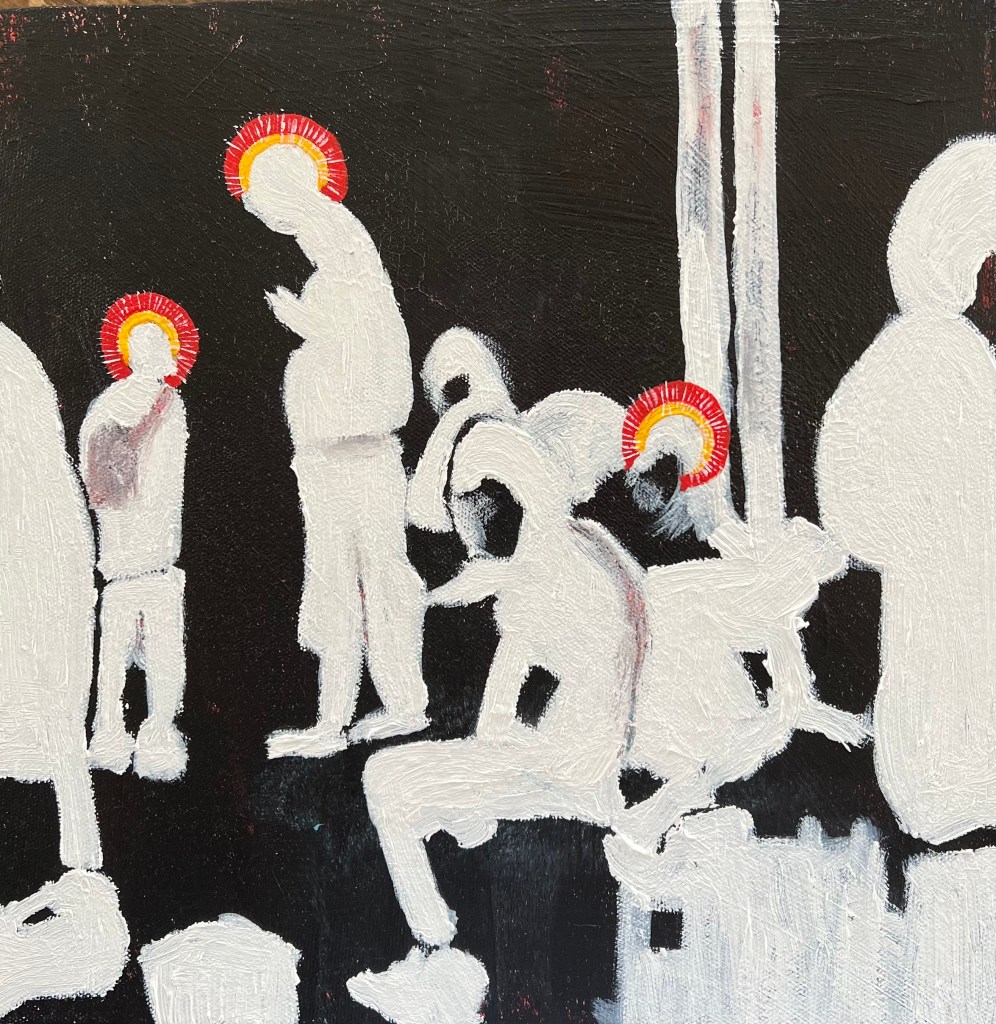
“3 Wise Men” #3 2012 Mixed media on canvas
The second drawing is an extension of the first. It’s how I see and saw mark makers in the Jugglers tunnel, referenced as saints with halos, entitled “Three wise men” in my undertanding of being human and of a determined intention to move forward and make art, make marks. Even if I struggle to love, as I do, this is an attempt to. These drawings are raw statements about the depth of humans, their inherent wisdom, creativity and untapped abilities. These drawings are also saying: “Don’t touch my friends!” Let them flourish here. Let them find that flow from their imagination through their arm to the cap to the wall.
Before I hand over the Cheri to to open her exhibition I want to read a poem for all of us who call ourselves artists. By the late Irish poet and mystic, John O’Donohue, who like me, left the priesthood for art.
For the Artist at the start of the Day
“May morning be astir with the harvest of night; Your mind quickening to the eros of a new question, Your eyes seduced by some unintended glimpse That cut right through the surface to a source.
May this be a morning of innocent beginning, When the gift within you slips clear Of the sticky web of the personal With its hurt and its hauntings, And fixed fortress corners,
A Morning when you become a pure vessel For what wants to ascend from silence,
May your imagination know The grace of perfect danger,
To reach beyond imitation, And the wheel of repetition,
Deep into the call of all The unfinished and unsolved
Until the veil of the unknown yields And something original begins To stir toward your senses And grow stronger in your heart
In order to come to birth In a clean line of form, That claims from time A rhythm not yet heard, That calls space to A different shape.
May it be its own force field And dwell uniquely Between the heart and the light
To surprise the hungry eye By how deftly it fits About its secret loss.”
~ John O’Donohue ~
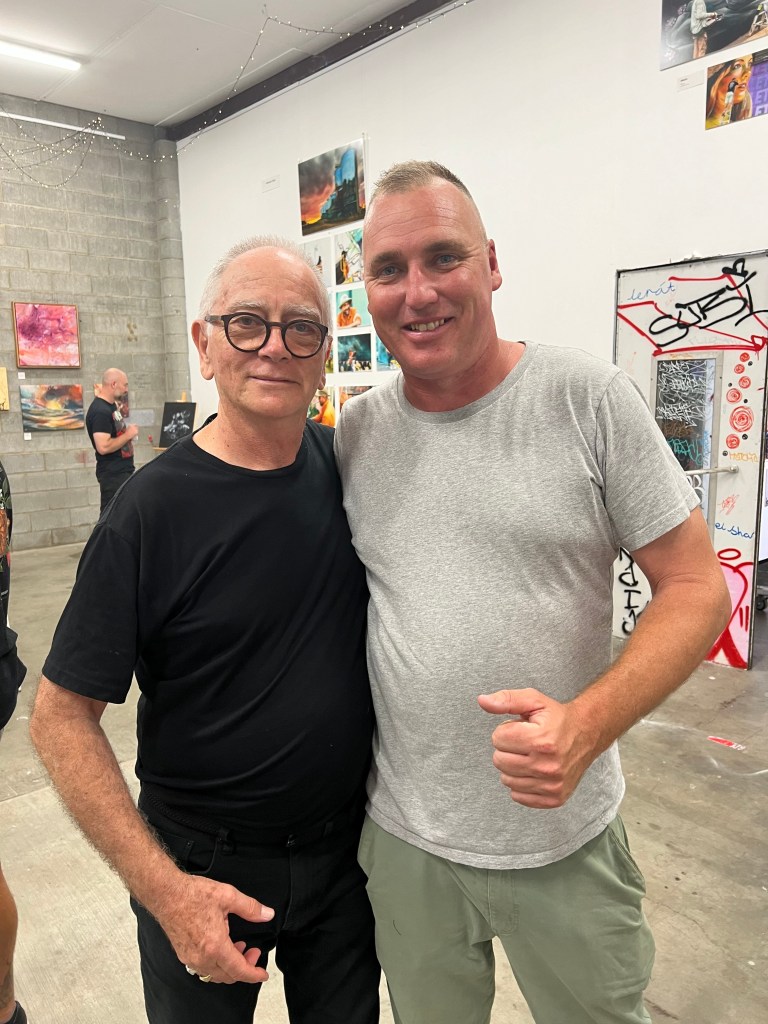
Peter Breen and his long time friend, artist Travis Vinson [ Drapl] at the Grand Artists exhibition at Vent Space, South Brisbane.
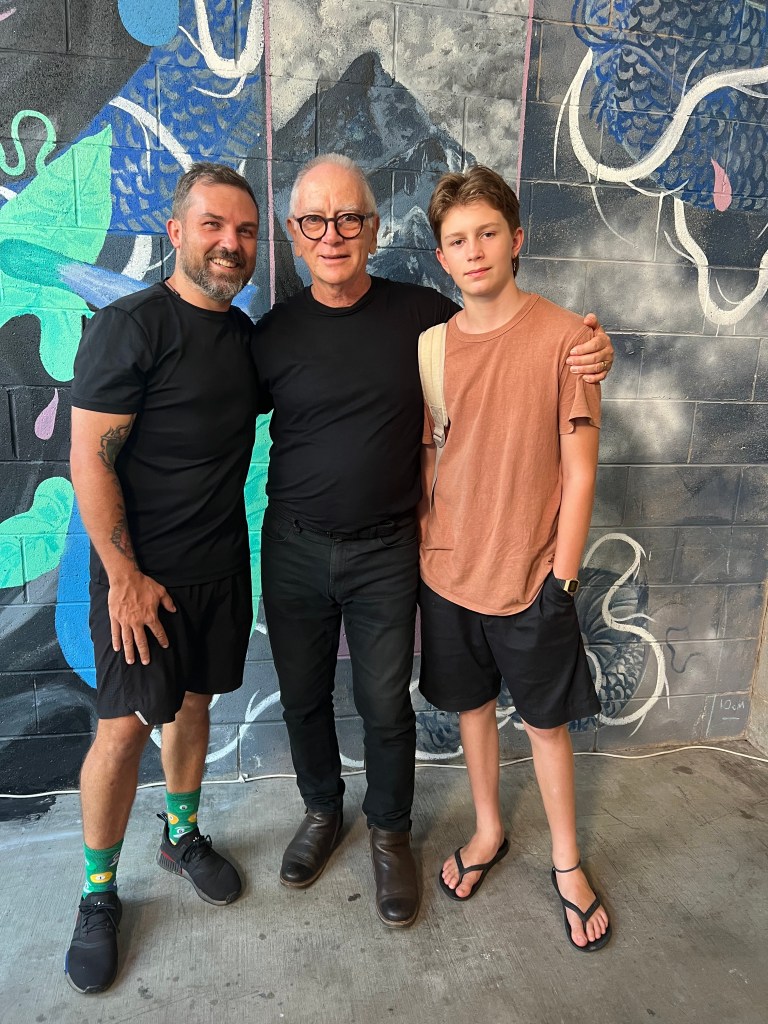
Peter Breen with his long time friend artist Russell Fenn [ Sofles] and Peter’s grandson, Leonard.
Burnout is a real experience for hard working and too hard working people in every level of society and workplace. It is increasing particularly post COVID and under the impact of a frenetic capitalist consumerism.
We are still learning how to be more restful, be like the fallow farm land, be like the monk at least once a week. I have experienced it and maybe that’s why I named Jugglers – Jugglers – always juggling demands and crises and income and outgoings. The following is extremely helpful from the Melbourne based organisation :
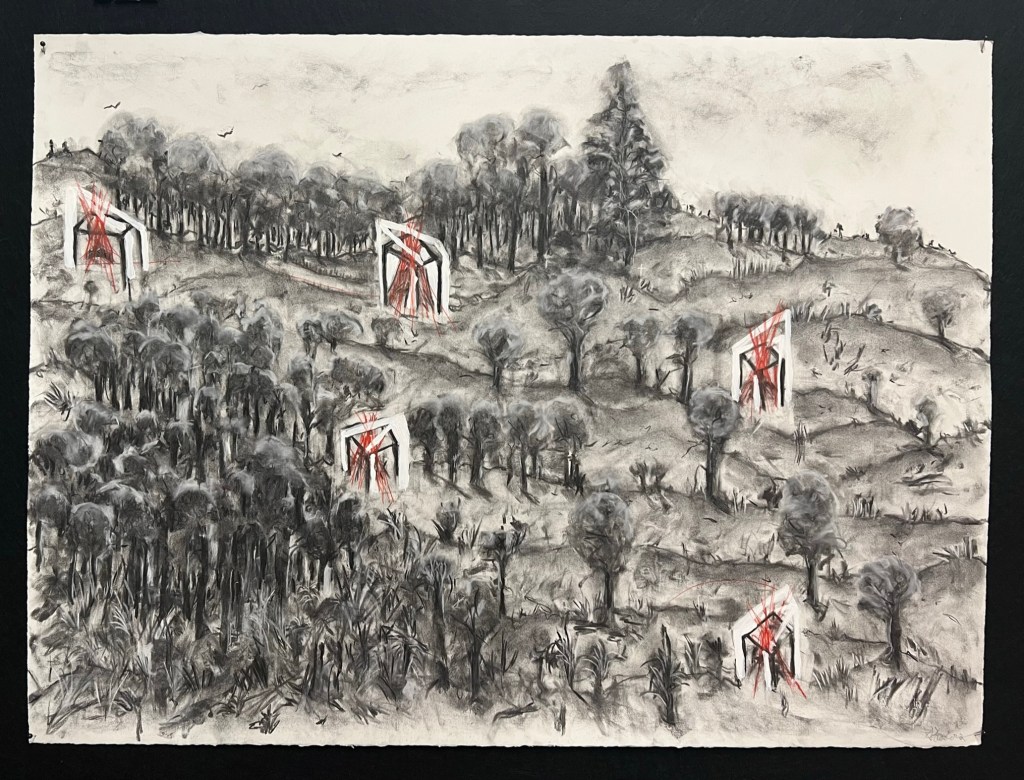
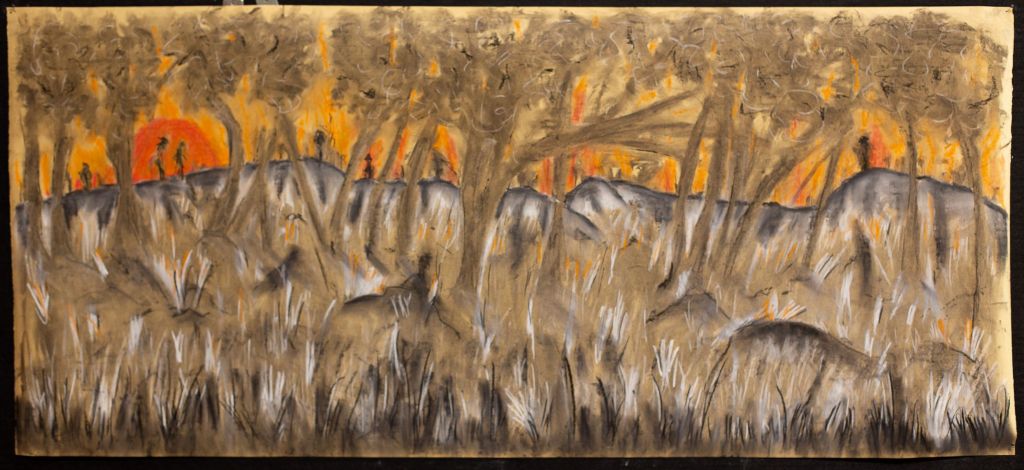
Echo Valley Charcoal, chalk and pastel on Arches paper. Peter Breen 2023
If you’re emotionally exhausted or feel that you’re unappreciated and overwhelmed even though you continue to work hard, you may be approaching or in burnout. Though not considered a mental illness, burnout is a mental health issue. According to the Journal of Applied Biobehavioral Research (cited below), burnout is having a growing impact. Burnout is more likely when you: 1. Expect too much of yourself 2. Never feel your work is good enough 3. Feel inadequate or incompetent 4. Feel unappreciated 5. Have unreasonable demands either because you take them on or they’re placed on you 6. Are in a job that’s just not a good fit for you.
Recognize signs and symptoms
The negative effects of burnout can increase significantly before you recognize the problem. Unaddressed burnout can increase your chance of developing clinical depression or other serious conditions. These are some of the signs and symptoms of burnout:
1. Reduced efficiency and energy 2. Lowered levels of motivation 3. Increased errors 4. Fatigue 5.Headaches 6. Irritability 7. Increased frustration 8. Suspicion 9. More time spent working with less being accomplished 10.Severe burnout can also result in: Self-medication with alcohol and other substances Sarcasm and negativity Debilitating self-doubt Poor physical health Clinical depression Reduced job satisfaction Decreased productivity
The lies we tell ourselves
Some who’ve recovered from burnout shared what they called “the lies we told ourselves” about the signs of burnout, even when loved ones pointed it out to them.
These included:
I’m fine,Your nagging at me is more stressful than my workI love my job, I’m happy to take more on, I’m just tired, You don’t understand, no one else can do this, People depend on me, I really want to be helpful, I’ll be fine once this is done, This too will pass, I need to get back to the top of my game, I’ll take a vacation and then be okay, If people just let me do my job, I would be fine, It’s not me, it’s everyone and everything else.
Most actually believed these statements to be true, and, to a certain extent, many of them were. The “lie” was denying that their current situation was damaging their health and well-being and that they needed to change. This denial eventually led to burnout.
Prevention strategiesReprioritize.
1. Stop what you’re doing and make a list of your work demands. 2. Organize them in order of priority and estimate the number of hours each takes per week. 3. Review this list with whoever has decision-making capability to ensure you: Have not missed any daily, weekly or project task hours Have the hours reasonably calculated Confirm the hours are equal to 40 or fewer hours per week – if you’re approaching burnout, it’s critical to limit your working hours. If it’s over 40 hours, ask your leader/decision-maker to help you: Ensure your priorities are in the right order Choose what work can be dropped altogether Choose what work can be delegated or shared with others
Refresh your skills.
1. There may be an easier way to accomplish your tasks. 2. Be open to learning new skills for both efficiency and to be open to new ideas.
Take your breaks.
1. Research confirms that our focus and productivity increases overall when we take frequent breaks throughout the day. 2. Eating lunch at your workstation and working through your breaks doesn’t benefit anyone, least of all your employer. 3. Take time to clear your mind, relax or move your body depending on your work, and go back to your tasks with a clearer mind.
Connect with others.
1. Don’t spend your entire workday with your head down. 2. Make a point of connecting with others, even if it’s a greeting at the beginning and end of your shift. To help prevent burnout, work needs to be more than just the endless completion of tasks.
Make life more than work.
Engage in non work related activities and connect with people outside your workplace. This is critical to your long-term ability to avoid burnout.
Recovering from burnout
We asked questions to participants at a roundtable entitled – Recovering from burnout. Participants had all experienced burnout and were either recovering or already recovered. Their practical strategies and insights can help those at risk of, or currently experiencing, burnout.
Recovery was anywhere from 6 weeks to 2 years,with an average of 6 to 9 months.
Most described recovery as a life-long journey. Many people benefitted from talk therapy, including group counselling and addiction counselling. Some were prescribed medication, which they felt was helpful.
Most made significant life changes around how they took care of and thought about themselves, how they did their work, and how they engaged in relationships. Some of their strategies are below. Choose some from each category to try for yourself.
Improved self-care strategies:
1. Minimize or eliminate alcohol and caffeine 2. Develop and follow a healthy eating plan 3. Take time away from work if the burnout impairs your ability to function or requires treatment 4. Ensure the recovery process includes developing a healthy approach to work 5. ExerciseWalk in green space 6. Garden 7. Find a creative outlet, such as painting 8. Change the way you think and live: 9. Focus daily on your accomplishments 10. Avoid criticizing yourself unnecessarily 11. Give yourself a gift on your birthday or another holiday event 12. Create a serene and peaceful space in your home 13. Keep your environment organized and tidy 14. Write daily in a gratitude journal to help refocus your mind on the positive things in your life 15. Post a list of what’s valued, enjoyable or precious in your life on your fridge or somewhere you’ll see it daily 16. Nurture your spirit using quiet reflection, meditation or prayer 17. Change how you think about and do work:Stop multi-tasking – focus on one thing at a time 18. Work at a reasonable, steady pace 19 Break down seemingly overwhelming tasks and projects into smaller achievable parts 20. Recognize and celebrate your small steps along the way 21. Tell your manager you want to be successful at your job and ask them how they would measure that 22. Take regular assigned breaks 23. Resist working unnecessary overtime even if you must provide contact information in case of emergency, try to stay disconnected from work during vacation time as much as possible. 24. Improve relationships:Set boundaries for yourself in terms of what you will and will not do – be okay with saying “no” 25. Avoid toxic people and situations. Learn to be comfortable with saying “I don’t know” if you don’t know. 26. Shut out media that includes disturbing images and messages 27. Became more involved and connected with your friends, family or community.
Staying well strategies
Everyone in the Roundtable discussion extended their recovery method into a plan to stay well.
Many added strategies to detect early signs of stress or mental health deterioration. As soon as they recognized the potential for burnout, they began to take preventive action.
Elements of a self-care plan to prevent burnout:
Develop a list of self-care strategies, which could include journaling, meditation, massage, yoga, reading, music, mindfulness, stretching, tai chi, dancing, breathing techniques, etc. Assess where you are each week in following through on your chosen strategies Tweak your list as needed for the upcoming week Determine your priorities for the week, month and year – make them reasonable – write them down and review them regularly to keep yourself focused on what matters to you Mentally scan your body for areas of tension at least once a week – address the areas of tension by considering the source and if necessary, seeking support or treatment Take time to become centred and grounded through quiet reflection, prayer or meditation – remind yourself that “the silence within me is not at war with chaos around me.” Detect early signs of deteriorating health and take action:List what burnout looks like for you (anger, frustration, exhaustion, etc.) so you can identify it early and take steps to prevent a downward spiralI if you’re feeling overwhelmed, ask for help, delegate tasks or reset priorities Connect with people who care about you Ask people you trust for support Learn to verbalize your feelings to prevent future episodes of burnout Minimize or eliminate exposure to negative and toxic people in your life.
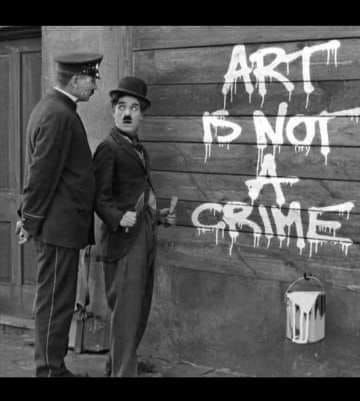
Chaplin was the master of a lot of things and having taken off from the USA to live in Switzerland based on the USA deciding he was a communist is indicative. My sister watches his brilliant film “The Dictator” every Christmas season while his commentary on art – above – has a poignancy that continues to be debated by capitalist interests while ever it has skin in the game. Graffiti is “the last bastion of freedom of speech” and as art by unpaid and sometimes unknown artists it continues to draw ire from private property owners and government corporations around the world. But it is “making its mark” as the marketting gurus and cultural developers attempt to capture the modality. Making Melbourne’s AC/DC and Hosier Lanes tourist graffiti “street art” meccas has not stopped the tagging and beautifying of Vic Rail infrastructure. I have noticed that Queensland Rail’s rolling stock on our line – Ferny Grove – has improved aesthetics on a daily basis over the past 6 – 12 months. I suspect it is due in part to stretched policing and the development of the new underground rail network, freeing access to train skins by writers late at night. Whatever the cause it feels at times as if we are mildly alive and have more happening in Brisbane than the soul destroying tourist and sport driven pandemic. While a graffiti purist, I celebrate the iteration of graffiti into commissioned art in public spaces. At times it is encouraged and not commissioned with new appreciations growing in the younger generations of renters – and the homeless.
In Brisbane this Saturday [ February 3, 2024] Cheri Desailly – a Brisbane photographer in the spirit of New York graffiti photographer and documentary maker, Martha Cooper , will be presenting her first major exhibition of photos of 17 Brisbane based muralists/street artists/graffitists. She has asked me to open the exhibition and I feel honoured as there are others, many others who could have been asked, especially my son Randal Breen who ran the Jugglers space from 2002 – 2010 before I took on the director role. Most of these “Grand Artists” are friends of mine who have strong links to Jugglers Art Space. We sold the buidling in 2018 to the YMCA after 16 years of evolving engagement with a range of artists and graffitiists.
Art is a world of beauty, of representation, of mark making. From tatooists to graffitiists to sculptors to designers to painters and film makers, art is what it means to be alive and human. We make marks because we must as South African artist William Kentridge posits. The control of what is art and who can do it and when and where will, it seems, under any level of community control – capitalist or socialist – limit and release good art and bad art. Horrible art is sold out of K-Mark and Cheap Shops while cheap blank canvases in the same shops offer forgiveness to those who pass up the horrible art to take home a canvas and attempt an art career. Loads of ripped canvases at the local dump sometimes show how hard that can be.
People say – “I love murals and street art but I dont like the tags. They’re horrible. ” This kind of commentary is a reflection on a range of values and ideas and concepts where certainty – and predictability – are the main filters. Social media is one platform that has driven these filters but it has always been in the thinking of the community that has an underlying fear of anything from Covid to war. And the growth of children into adults is always going to involve experimentation, uncertainly and unpredictability. We limit those values forcefully to our children’s detriment. One of our values at Jugglers was that we wanted to be a community that allowed experiment, safety, welcome, respect, group decisions and mark making. It did not mean we were feral , rather, we had more of a “wild is fine so long as there is respect.” dynamic.Everyone is happy to applaud – and sometimes commission or buy art from new artists – but turning the blind eye and accepting the human as evolving while being a companion full of integrity – is critical in the making of that artist. There is no value in turning graffiti artists into criminals because of the demand for certainty and predictability in the city. Pushing school leavers who want to be artists into business so that they can supplement their art with their business usually means they never become artists or fulfill the call of their souls. How to live and pay the bills is a key question of course but when art is valued as national sacred policy – as sport is – then how to live will be less of a challenge.
Mark making in the tunnel – 103 Brunswick Street, Fortitude Valley, Brisbane, Queensland, Aus.
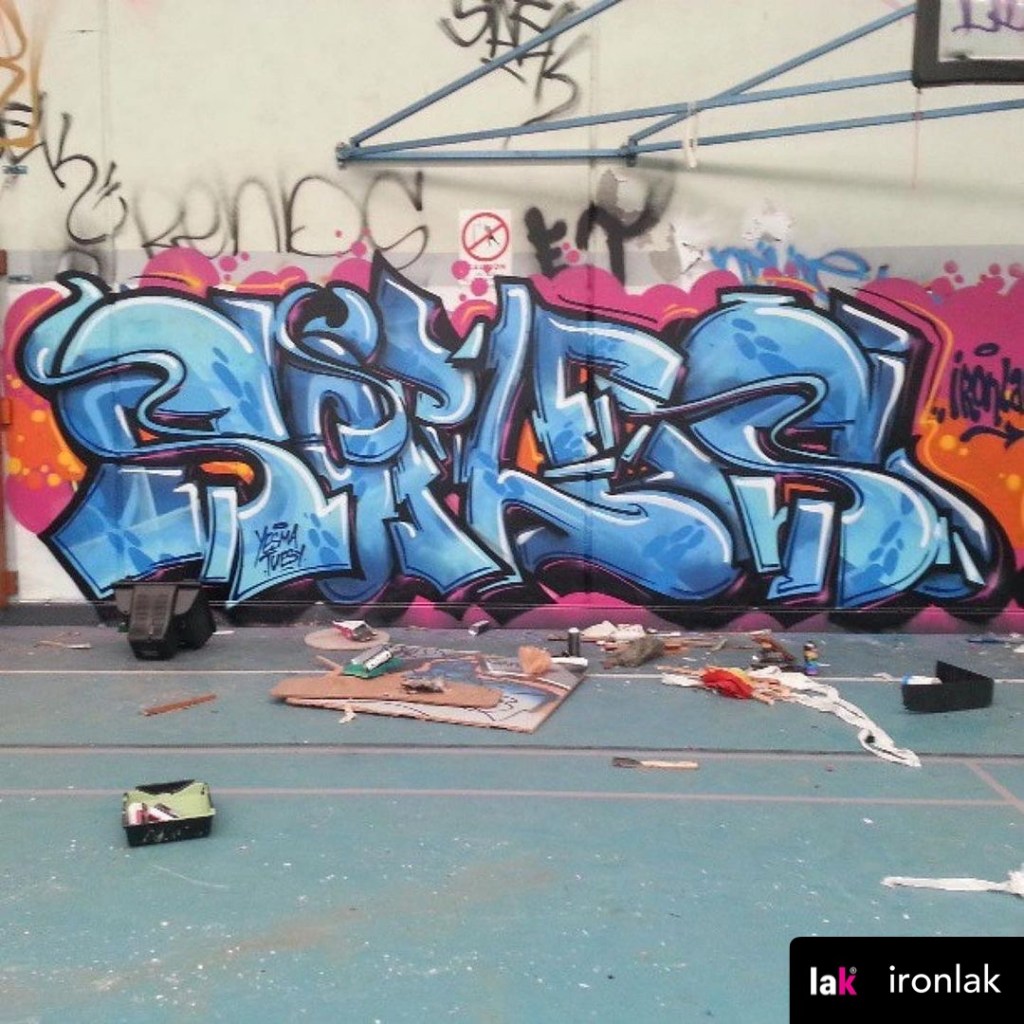
Work by Sofles -Brisbane based international graffiti writer and Jugglers’ alumnus.
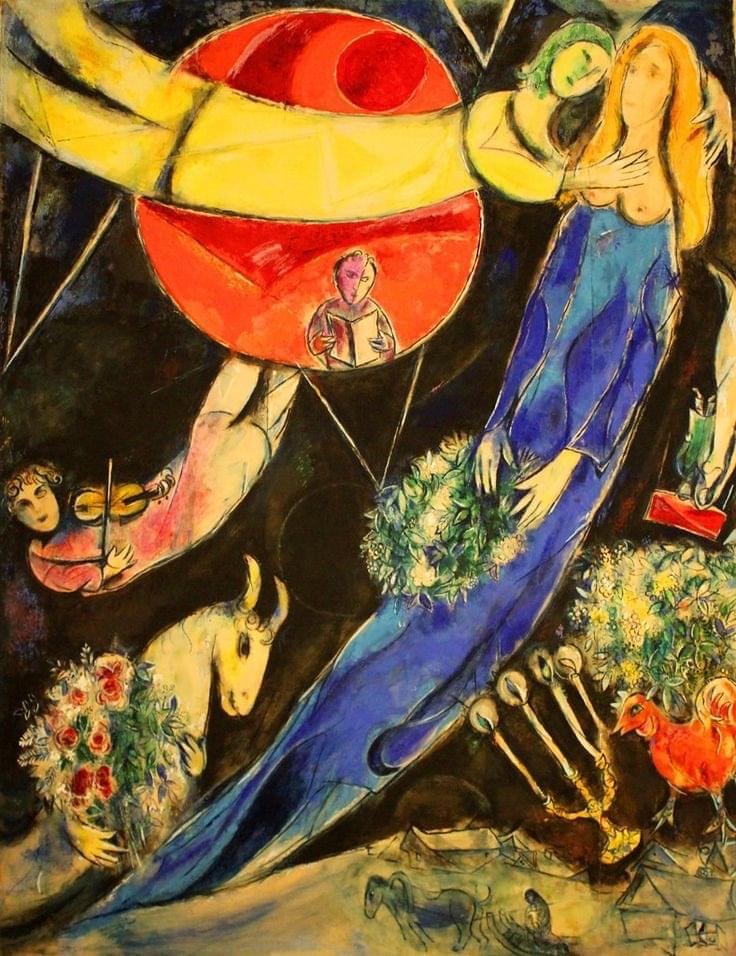
A work by Marc Chagall – Russian Jewish painter. When does the heart and style of any artist become more important, expensive and selected than another? Making good art is essential. Pushing back against exclusion and control is also essential.
“Three Wise Men” Peter Breen Mixed media on canvas, 2008 #1 of Triptych
In beginning my road to making good art - which is a long and tortrous ongoing one – this work was a response to the tunnel at 103 Brunswick Street and the writers and artists who for many years drew and wrote in it almost every afternoon and over the weekend. The title was an obvious send-up on the Christmas story. Who says who is wise and why is it that a determination to make good art can fail when the judges of standards are vested in some elite club? Consensus to be sure is part of the knowing but feeling the call to make marks and selling everthing to make them is greater than the success of a market driven talent fostered by a few. Talent is created with constancy and so is good art. The great cellist Pablo Casals said at 80 when asked why he practised 4-5 hours/day: “Because I think I am making progress.” The artists who can make a quick sale in an age of consumer madness and who are short on hard mark making work contribute to art as comodified, not wondered at. These muralists have become wise as they started off as wise and were given space to make marks. They also made their own marks in spaces at times illegal, at times dangerous, at times instructive. They are feted now while continuing to make better marks and work. Their art is good. They are enriching the culture, expanding our wonder and appreciation, adding to local stories and pushing the boundaries away from the control of the few for the many. Socialists couldn’t be more encouraged.
I have resent emails from EAP Assist based out of Melbourne as part of the Jugglers News Letter over the past years.
We have now closed the Jugglers space in Brisbane, the website and regular newsletters but I will be occassionally posting EAP Assist letters on this personal blog. They have given me approval to do so citing the need to keep their offers and input in the public domain.
Most people know that what we eat can have an impact on our physical health. But did you know it can also impact your mental health? Nutritional psychiatry is a relatively new field of research that explores this connection.
Some studies show that individuals who follow a Mediterranean diet are at lower risk of developing depression. The Mediterranean diet includes a wide variety of vegetables, fruit, whole grains, beans, nuts and seeds, fish and extra-virgin olive oil; followers eat chicken, eggs and dairy in moderation, and limit red meat to two small servings per week or less.
In 2017 a research group in Australia recruited individuals who had been diagnosed with depression and enrolled them in a randomized, controlled trial (a well-designed study) to see if switching to this diet would improve their depression. The researchers assigned participants to follow a modified Mediterranean diet for 12 weeks or to attend a social support group for 12 weeks.
At the end of the 12 weeks, 32% of people in the diet group recovered from their depression compared to 8% in the social support group. One surprising finding was that the people who changed to a Mediterranean diet also spent less money on groceries compared to the people who did not change their diet.
Since 2017, two more randomized, controlled studies have shown similar results: adopting a Mediterranean diet can improve symptoms of depression. Likewise, approximately 30% of the patients who participated in the Food as Medicine program at the Mood Disorders Association of BC reported a clinically significant reduction in symptoms of depression after just eight weeks of making meaningful changes to their diet.
One of the mechanisms by which a Mediterranean diet may help depression is by reducing inflammation. Unfortunately, chronic inflammation has become common in our society. Most of us are familiar with acute inflammation, when your immune system gets activated in response to an injury or virus. Inflammatory compounds are released and you may notice pain, redness, fever or fatigue as a result. Inflammation resolves once the virus has been eliminated or the injury has healed.
Chronic inflammation is different. Our immune cells release compounds that continue to circulate in the body, which can cause damage over time. Chronic inflammation can contribute to a wide range of diseases, including depression.
In contrast to the Mediterranean diet, dietary patterns that have a lot of processed food, fast food, sugar and saturated fats can lead to chronic inflammation and have a negative impact on many aspects of our health, including brain health.
The good news is that you can fight inflammation—and, thereby, depression—by following an anti- inflammatory diet. The Mediterranean diet is one example of an anti-inflammatory diet, which can be applied to many cooking styles and cuisines. It is nutrient dense and rich in plant-based foods. Some basic aspects of the diet include:eating a wide variety of vegetables and fruit daily, including every colour from the rainbowchoosing less processed carbohydrates (i.e., beans or whole grains, like brown rice, barley, quinoa or steel cut oats; whole grain bread; winter squash and root vegetables)eating fish rich in omega-3 fatty acids (i.e., salmon, sardines, mackerel, herring)using extra-virgin olive oil rather than vegetable oils and butterincluding one handful of raw, unsalted nuts or seeds daily (walnuts, almonds, flax, chia or hemp are preferred)limiting red meat; eating chicken, eggs and low-fat dairy in moderationAnother important aspect of our dietary choices is the impact they have on the bacteria that live in our gut; these make up what’s called the microbiome. By increasing plant-based foods we increase the amount of fibre in our diet. Many of the “good” bacteria feed on fibre and create compounds that contribute to our health and reduce inflammation. By eating high-fibre foods, such as in the Mediterranean diet, we are feeding these good bacteria. Eating fermented foods like yogurt, kefir (milk fermented with a specific strain of bacteria) or kimchi (Korean salted and fermented vegetables) also contributes to a healthy microbiome.
Research has also focused on specific nutrients in the diet that can help improve depression and identified 12 key nutrients that play a role in preventing and treating depression, and the foods that have the highest density of these nutrients. These foods include:seafood and bivalves (mollusks with two-halved shells), such as oysters, clams and musselsorgan meats (liver, heart, kidney) and poultry gibletsleafy greens (watercress; spinach; mustard, turnip or beet greens; lettuces; chard; cilantro; basil; parsley; chicory greens; kale or collards; dandelion greens)cruciferous vegetables (cauliflower, kohlrabi, red cabbage, broccoli, Brussel sprouts)peppers (bell, serrano, jalapeño)Steps toward a depression-fighting diet
Changing your diet can feel overwhelming—you’ve heard it all before. Yet, making just a few changes can make a huge difference to how you feel. Here are some tips for how to start.Add leafy greens to your diet. These can be added to almost any meal—a sandwich, stir-fry, soup, stew or salad. An easy way to get leafy greens is to make a green smoothie for breakfast; you can use fresh or frozen spinach or kale, along with fruit and yogurt or protein powder.Snack on vegetables and fruit. Try carrots, celery, cucumber or red peppers with hummus or fresh fruit with nut butter or a handful of nuts.Include vegetables with your meals. Frozen vegetables (and fruit) are just as good as fresh.Add beans and whole grains to your diet. Breakfast ideas include rolled or steel-cut oats soaked in yogurt or nut milk with berries, or cooked with apples and cinnamon; avocado toast with beans on whole grain bread. Try grain bowls (i.e., brown rice or quinoa) loaded with veggies, or grain and bean salads.Eat fish or seafood 2–3 times a week. Remember, canned or frozen are as good as fresh.Drink water or other unsweetened drinks. Try carbonated water instead of pop. Add lemon, lime or other flavours to make it interesting. There are many factors that lead to depression, and not every depression is the same. Many people report better energy, mood and brain fog after switching to a nutrient-dense, anti-inflammatory diet. The key to success is making one change at a time and finding new foods and recipes that you enjoy and look forward to eating.
Now in the back yard of the house we have lived in since 1995 in north Brisbaneand almost 50 years after the wedding day.
The roller coaster still runs at Luna Park in St Kilda rattling around, up and down in a quaint bit of sentimental old fashioned Saturday afternoon wind down. After Saturday morning work, before television, high mobiility or digital media, the ride on the roller coaster was one to go to – catch the tram or walk for miles. My mother walked from Sandringham with her two younger sisters there in the 1930’s.
Our marriage in January 1974 is about to celebrate 50 years and it started without any idea that roller coastering was to be our experience. Romantic post World War 2 boomers but roller coaster it has been. Ups and downs, blind corners and changing destinations. Four children and 10 grandchildren, full memories, gratitude and never ending new awareness. There are occasional moments of wondering “what if” and sadness, never to be answered questions and mystery. But we are here, less inclined to opt for roller coasters while aware that they sometimes take us.
I wrote a short poem for the new year arriving that has, I think, a positive outlook, one of determination from reflection and values that in general, are those I recall and believe in – good humanity and humanity is good, love for the other’s best and more. Beauty, art, honest spiritual inquiry and oneness with all life and living. But then there is the dark hell of Gaza – not to be outdone by dictator Putin in Ukraine. Here then is my poem, without apology. Israel’s reaction and genocidal war on Palestinians.














 Peteskibreen's Blog